



2023-03-13 00:00:00
METACARPAL FRACTURE
The metacarpal fracture is a rupture of one or more metacarpal bones and is very common among people who practice ...


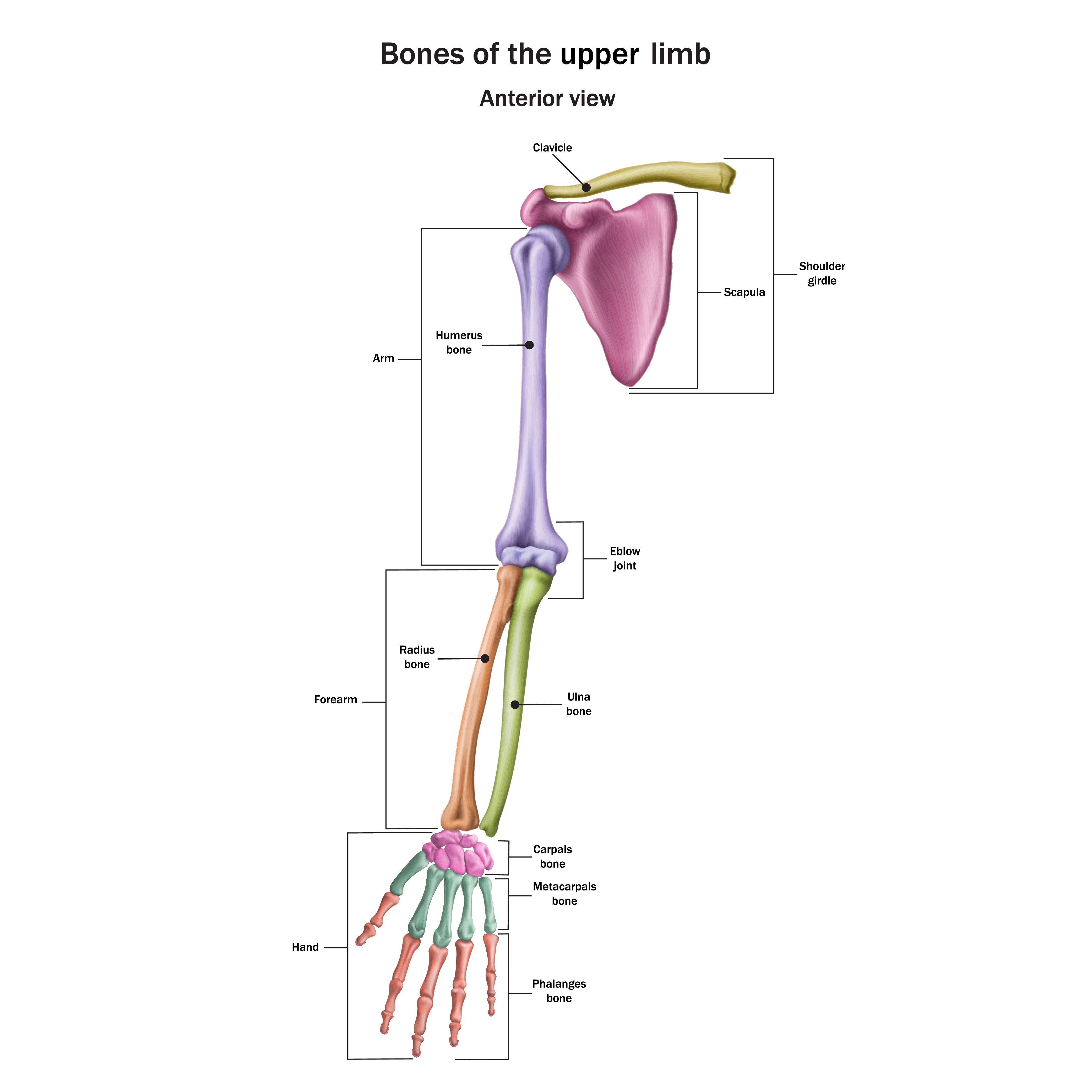
Ulna is one of the long bones of the forearm stretching from the elbow to the little finger. The second bone of the forearm is the radius, which stretches from the elbow to the right of the thumb. Ulna forms the main part, located under the elbow, of the olecranon bone (elbow bone).
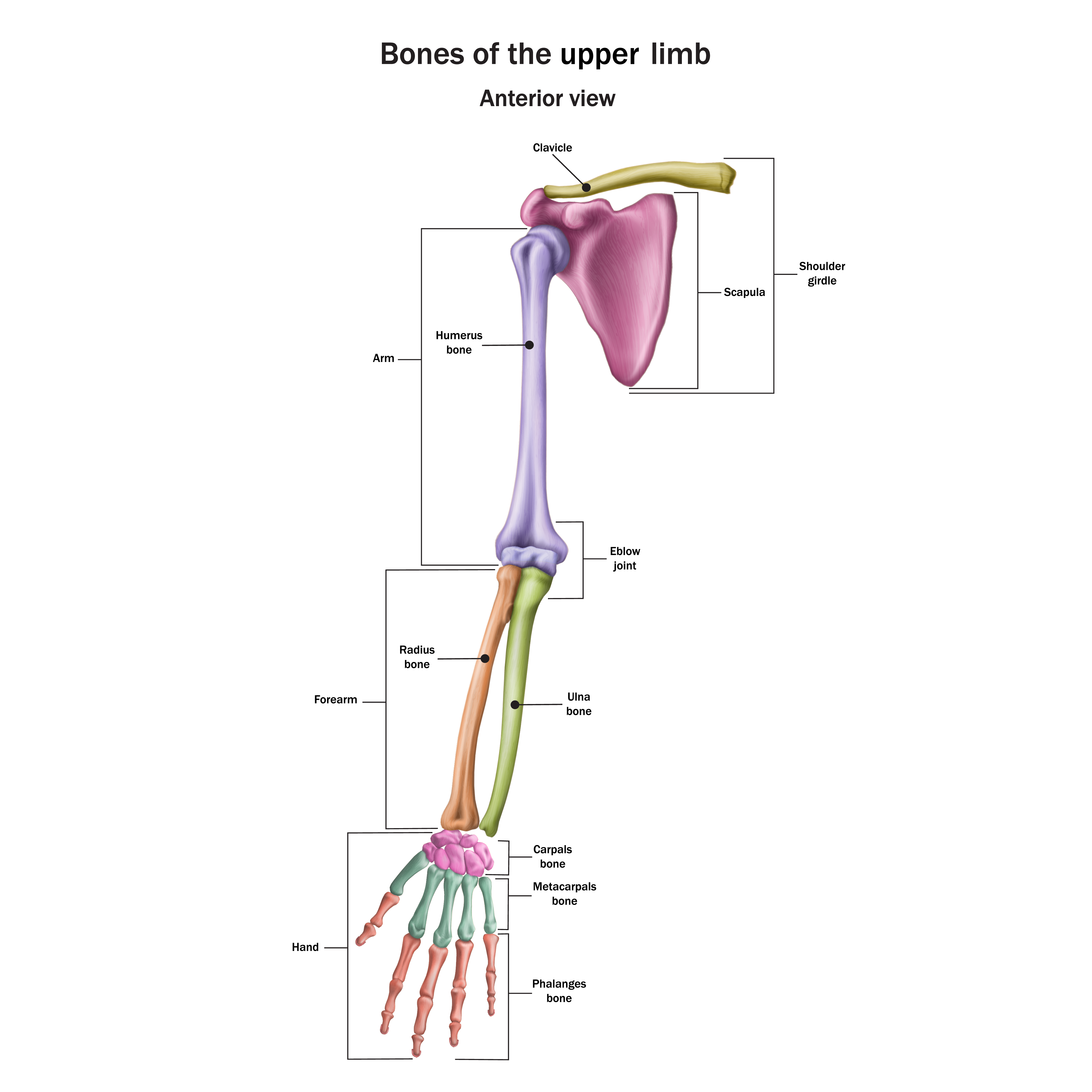
Fractures of the proximal ulna can be difficult to manage due to the complex anatomy of the elbow. However, advances in understanding the anatomy and biomechanics of the elbow have led to new perspectives.
Fractures of the proximal ulna, fortunately, are not frequent, they can occur only in case of car or sports accidents causing severe hyperextension of the forearm or in case of fall on the bone side of the elbow or direct blow.
Thus, the ulna gets to break proximally (near the elbow), and the radial head (the head of the radius bone) can dislodge from the elbow. Fractures of the proximal ulna are generally referred to as a "fractured elbow".
As a symptomatology, fractures of the proximal ulna are manifested with extreme pain and with the limitation of movement in the area.
Immobilization of the arm is necessary to give the ulna time to heal and prevent the occurrence of further injuries. After a few weeks of immobilization, an X-ray can help see if the bone is healed.
In the case of severe fractures, surgery may be required to fix the fractured ulna in the normal position and to stabilize the joint.
After surgery, the arm is also immobilized with the help of a plastered splint or orthosis to facilitate healing
Both in the case of operated fractures as well as in the case of unoperated fractures, after the period of immobilization, with or without surgery, a recovery program is started through physical therapy. It will include stretching exercises and active exercises that aims at:
➢ restoring the functionality of the fractured area
➢ preventing post-immobilization stiffness
➢ increasing the amplitude of movement in the elbow joint
➢ toning the arm and forearm muscles
➢ prevention of relapses and/or other injuries
The degree of complexity and loading of the exercises will gradually increase, under the guidance of a physical therapist.
The location of the fracture generally determines the healing time, which spans between 4-6 weeks.

I always follow professional workflow and provide you the best service with reliable costs.



The metacarpal fracture is a rupture of one or more metacarpal bones and is very common among people who practice ...
The subacromial bursa is a fluid sac, with a lubricating role, which is located between the acromion bone and the tendon ...
A hip prosthesis is a medical device that replaces a damaged hip joint.The hip joint is the largest joint in the body ...