

2023-03-29 00:00:00
RHEUMATOID SHOULDER
Rheumatoid arthritis that affects the shoulder region is a progressive disorder that leads to pain, loss of range ...


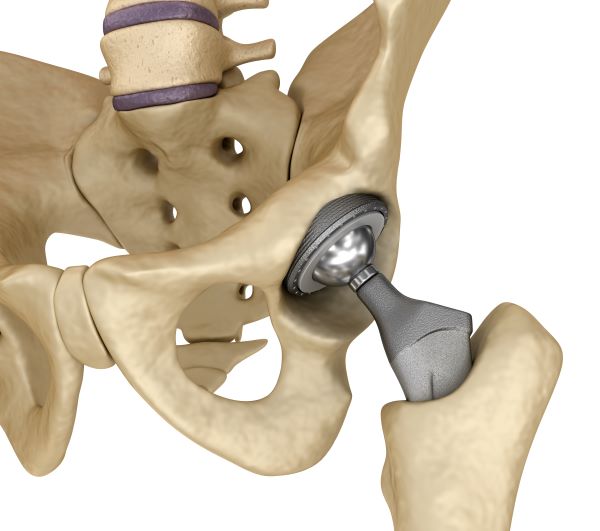
A hip prosthesis is a medical device that replaces a damaged hip joint.
The hip joint is the largest joint in the body and consists of:
➢ The spherical head of the femoral bone, which basically represents about 2/3 of the joint
➢ The acetabular cavity (the part of the coxal bone) in which the femoral head is fixed
Basically, the hip joint connects the femur (thigh bone) to the pelvis.
The surrounding ligaments and joint capsule keep the hip joint safe.
The most important muscles that surround the hip joint are the thigh muscles (anteriorly: quadriceps, posterior: femoral biceps, semi-membranous and semi-tendinous, inside: adductors) and buttock muscles.
The bone surface of the hip joint is covered by articular cartilage that protects the bones and allows movement. The hip joint allows a wide range of movements, the most important being the flexion of the hip (raising the knee to the chest).
It affects the articular cartilage, which normally covers the bone ends and allows movement in the joint
Caused by an overactive immune system, rheumatoid arthritis produces a type of inflammation that can erode cartilage and occasionally the underlying bone, leading to damaged and deformed joints.
Caused by an insufficient amount of blood in the hip joint, osteonecrosis leads to the formation of gaps / breaks within the bone, which eventually caves in.
➢ It persists, even when pain relievers are administered
➢ It worsens when walking, even if a walking cane or walking frame is used
➢ It interferes with sleep
➢ It hampers dressing
➢ It affects the ability to climb or descend stairs
➢ It makes it difficult to get up from a seated position.
Also called total hip arthroplasty, hip replacement surgery is a treatment option if hip pain interferes with daily activities or if conservative (non-surgical) treatments have not helped enough.
Hip replacement techniques are constantly evolving and are less and less invasive, thus reducing both recovery time and pain.
After surgery, some people can go home the same day, but most remain hospitalized for 1-2 nights
➢ For the prevention of blood clots, on the same day, start walking slowly with the help of a walking frame or with the help of crutches. The wearing of elastic compression stockings and other drainage measures are also indicated.
➢ Physical therapy, through exercise programs started immediately after surgery, significantly accelerates recovery.
The exercises performed daily, help regain the mobility and joint stability, as well as to tone the muscles that surround the hip joint.
Gradually, the recovery program will include exercises that increase the loading of the operated lower limb, until one can walk without help.
After 6-12 weeks postoperatively, if the recovery schedule is observed, part of the daily activities can be resumed; total recovery can take between 6 and 12 months.

I always follow professional workflow and provide you the best service with reliable costs.



Rheumatoid arthritis that affects the shoulder region is a progressive disorder that leads to pain, loss of range ...
Metatarsalgia is the pain at the plantar level (sole of the foot) under the fingers, at the level of the metatarsal bones ...
Spondylolisthesis is a condition of the spine that causes low back pain.It occurs when one of ...