



2023-03-17 00:00:00
ANKLE LUXATION
Ankle luxation is a severe condition and is most often associated with fractures of the malleolus or the posterior ...


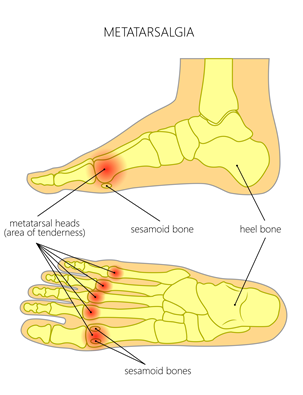
Metatarsalgia is the pain at the plantar level (sole of the foot) under the fingers, at the level of the metatarsal bones. There are 5 metatarsal bones in the anatomical structure of the foot, which make the connection between the tarssian bones and the phalanges.
Metatarsalgia is not a condition in itself, but a symptom of other conditions, generally worsening in the orthostatic position (standing) or while walking.
The main symptom of metatarsalgia is pain localized in the metatarsal bones, pain that can be felt as a sharp or a dull, lingering pain or as a burning sensation. Sometimes the pain can irradiate in the fingers or even to the anterior side of the foot. Most often, the pain sets in slowly, over a period of several months and increases when walking or running.
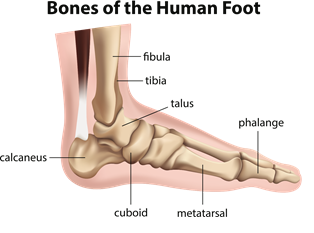
The foot (popularly called the instep) is a particularly important anatomical structure, located at the extremity of the lower limbs. The foot represents the connection point between the body and the ground, with a very important role, both in static position, as well as during dynamics (walking, running).
The legs and hands are the most complex bone structures in the body. The skeleton of the foot consists of:
➢ Seven tarssian bones
➢ Five metatarsal bones
➢ The phalanges (bones of the fingers)
Due to the fact that, both during orthostatism (standing) and during dynamic activities, the legs support the entire weight of the body, they are continuously subject to certain forces and pressures.
Foot health depends on a number of factors, such as: level of physical activity, profession, food and the shoes worn. Many of the problems that occur in the foot have to do with shoes (9 out of 10 women wear shoes smaller than they should or with the sole too thin as ballerina flats or shoes with heels that are too high)
Most commonly, metatarsalgia is caused by intense pressure in the metatarsal bones. There are other factors that can cause metatarsalgia, namely:
➢ excessive pronation (lateral movement of the foot while walking or running)
➢ improper footwear, usually too narrow or with heels that are too high
➢ overweight
➢ bunions
➢ ligaments in the injured legs
➢ overuse of the legs in sports that involve running and/or jumping.
For a while, avoid the activities that produce or accentuate the pain.
Nonsteroidal anti-inflammatory drugs (ibuprofen, paracetamol, diclofenac etc.) as tablets or local ointments, help relieve pain and inflammation. They are recommended but for short periods of time, 7-14 days maximum.
Locally applied ice, in sessions of 5-10 minutes, 3-5 times a day, also helps to reduce pain and inflammation. Always put a thin towel between the ice and the area on which it is applied. You can also try to move the foot over a bottle of frozen water.
The affected leg will be wrapped with the help of a compression bandage, thus helping to reduce pain and inflammation.
Also known as plantar supporters, personalized pads are a kind of special soles, made of pieces of rubber, leather, plastic or synthetic materials, which are mounted inside the footwear.
For people who do sports, wearing the pads during training also brings significant benefits, increases resistance to effort, reduces fatigue in the legs (the feeling of "heavy legs") and decreases the risk of injuries caused by overstraining the legs.
Exercises aimed at toning (strengthening) the plantar muscles and the entire lower limb, as well as stretching exercises will be performed.
Manual therapy and passive mobilization are also successfully used in recovery treatment
Physiotherapy procedures aim to reduce inflammation and relieve pain, the most indicated being: laser, ultrasound, Tecar and shockwave therapies.
The application of kinesio tapes stimulates peripheral circulation, having the ability to maintain a pleasant and constant heat at the level of the tissues on which they are applied. Also, kinesio tapes induce an analgesic effect causing the reduction of pain felt in the sole.
It may be necessary to fix problems of metatarsal bones or to release a trapped nerve.
Metatarsalgia can lead to other problems if not treated, namely it can influence gait to avoid pressure on the painful site. This can cause pain elsewhere in the leg or in the hips or in the lumbar spine.

I always follow professional workflow and provide you the best service with reliable costs.



Ankle luxation is a severe condition and is most often associated with fractures of the malleolus or the posterior ...
The humerus is one of the three bones that form the elbow joint, along with the radius and ulna. Together, they bend and ...
Osteoarthritis of the thumb, also called the pollex, is one of the most common forms of osteoarthritis that affects the ...