


2023-04-10 00:00:00
SKIER'S THUMB
The name „Skier's thumb” refers to the partial or total tear of the thumb’s ulnar collateral ligament (UCL) ...


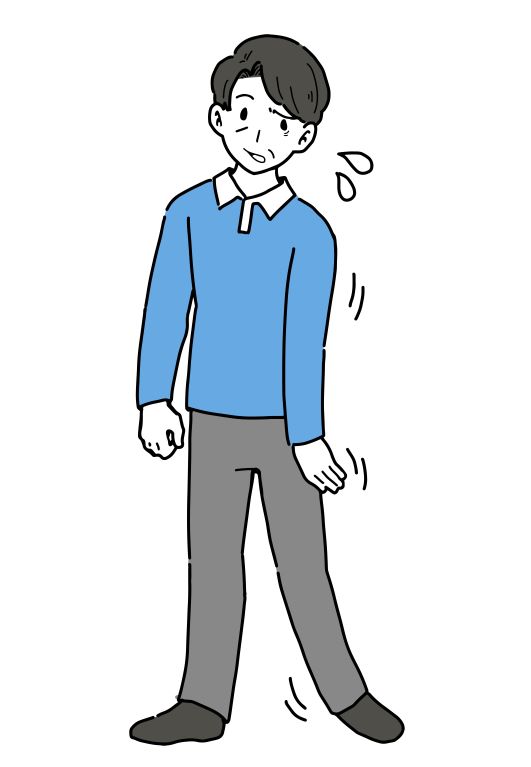
Hemiplegia is a condition caused by brain damage or spinal marrow injury that leads to paralysis on one side of the body. It causes weakness, problems with muscle control and muscle stiffness. The intensity of symptoms varies depending on the location and extent of the lesion.
If hemiplegia begins before birth, during childbirth or in the first 2 years of life, it is known as congenital hemiplegia. The most common cause of hemiplegia in children is a stroke in intrauterine life. If hemiplegia develops later in life, it is known as acquired hemiplegia. Hemiplegia is non-progressive, once the disorder begins, the symptoms do not worsen over time.
Hemiparesis and hemiplegia are relatively similar terms, but the person with hemiparesis shows weakness or a slight paralysis on one side of the body while a person with hemiplegia may experience up to complete paralysis on one side of the body and may have problems with speech, deglutition or breathing.
The affected part of the brain, right or left, causes symptoms on the opposite side of the body. Symptoms may include:
➢ muscle weakness or stiffness, on one side of the body
➢ muscle spasticity
➢ weak fine motor skills (eating, writing)
➢ problems with walking
➢ poor balance
➢ problems when catching objects
If hemiplegia is caused by a brain injury, brain injuries can cause symptoms that are not specific to hemiplegia, such as:
➢ memory problems
➢ concentration problems
➢ speech problems
➢ changes in behavior
➢ seizures
Hemiplegia is identified by clinical examination accompanied by an MRI examination or a CT scan of the brain to confirm damage to the brain and spinal marrow.
The treatment for hemiplegia is established by a team of professionals in the medical field: doctors, physical therapists and occupational therapists. The treatment focuses on improving the sensation and motor skills, allowing the patient to better manage activities in everyday life
Physical therapy
It is the basic treatment of people with hemiplegia, the main objective being to regain motor function and improve the quality of life.
Physical therapy helps:
➢ improve muscle strength, coordination, mobility and stability (such as standing and walking) but also other physical functions
➢ stretching spastic muscles
➢ improving balance
➢ reducing shoulder pain by maintaining the range of shoulder movement
➢ support devices, such as orthotics, can be used to help prevent or treat shoulder subluxation, in order to reduce pain, as well as to facilitate walking.
Occupational therapy
It mainly aims to improve the function of the hand and participate in daily activities such as eating and dressing. A hand splint can be useful for keeping your hand outstretched throughout the night.
Modified movement therapy induced by constraint
It involves immobilization of the healthy side of the body, unaffected by hemiplegia. This treatment option forces the weaker side to compensate for movement and aims to improve muscle control and mobility.
Surgery
It may be necessary if a secondary problem of contraction or severe imbalance of muscle activity develops. In such cases, the surgeon can adjust the ligaments and relieve contractions. People who had the deglutition function affected and cannot swallow, they will be surgically inserted a tube into the stomach (gastrostomy), tube through which medicines are administered
It is important to educate patients and families about compensatory techniques (adaptation of the home with special equipment, sensory integration) in order to continue to exercise outside the therapy hours, thus promoting the patient's independence.

I always follow professional workflow and provide you the best service with reliable costs.



The name „Skier's thumb” refers to the partial or total tear of the thumb’s ulnar collateral ligament (UCL) ...
A sprain located on the wrist is an injury of the capsule and of the ligaments around the wrist joint, caused most of ...
The runner's knee is one of the most common types of overwork injuries commonly found in runners. It occurs when ...