



2023-03-13 00:00:00
BALANCE
Balance is a term frequently used by healthcare professionals, as there is no universally accepted definition of human ...


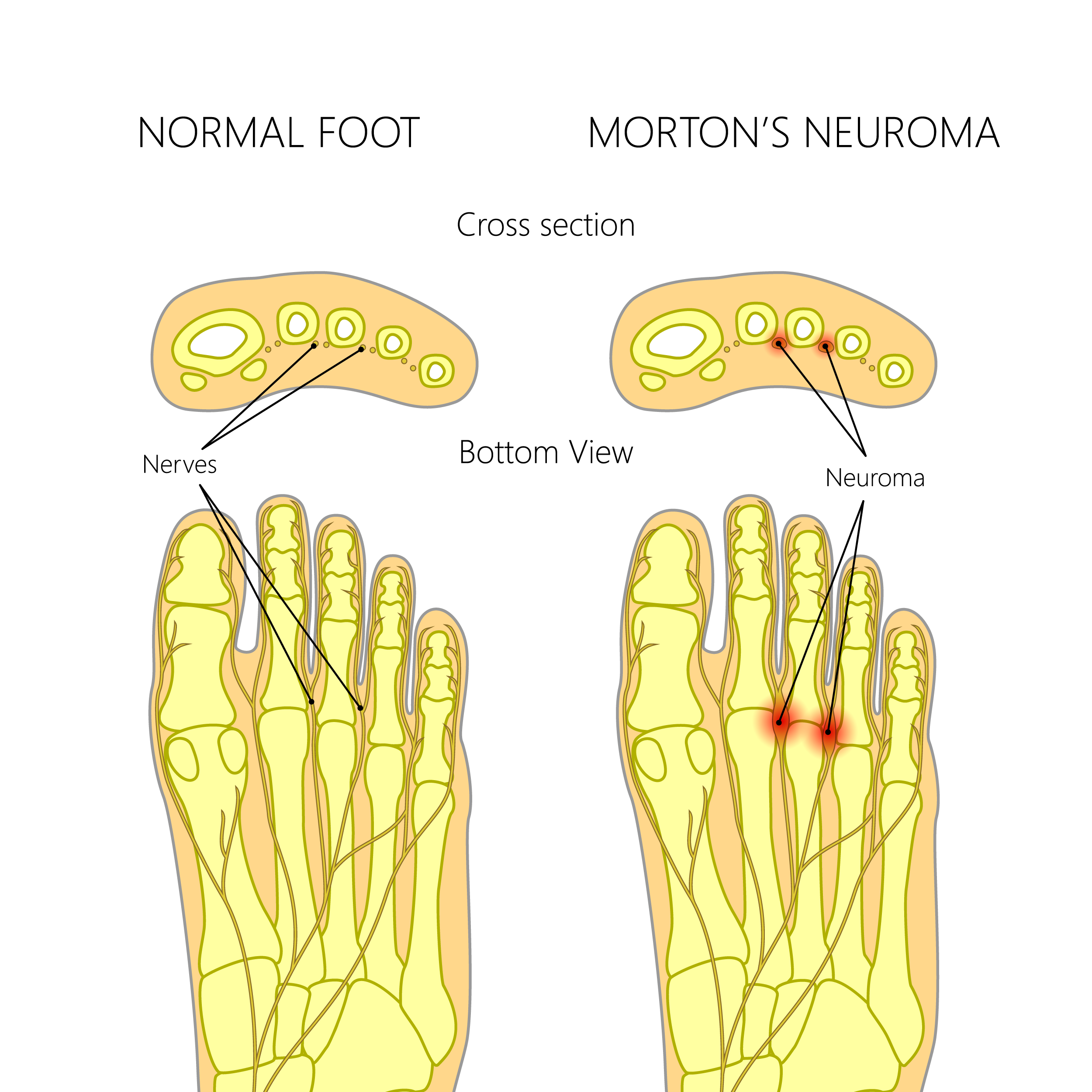
Morton’s neuroma is a painful condition that affects the flat part of the foot, at the level of the metatarsus, usually between the third and fourth toes. It feels as if there was a pebble in the shoe or as if the sock was folded. This condition involves a thickening of the tissues around one of the nerves leading to the toes, more precisely the plantar interdigital nerves.
Morton's neuroma manifests as a sharp pain, a burn on the plantar side of the foot, at the level of the metatarsus and the fingers can sting or be numb.
Women are more affected, high-heeled shoes are often associated with the development of Morton’s Neuroma, the symptoms improving with the transition to shoes with lower or wider heels.
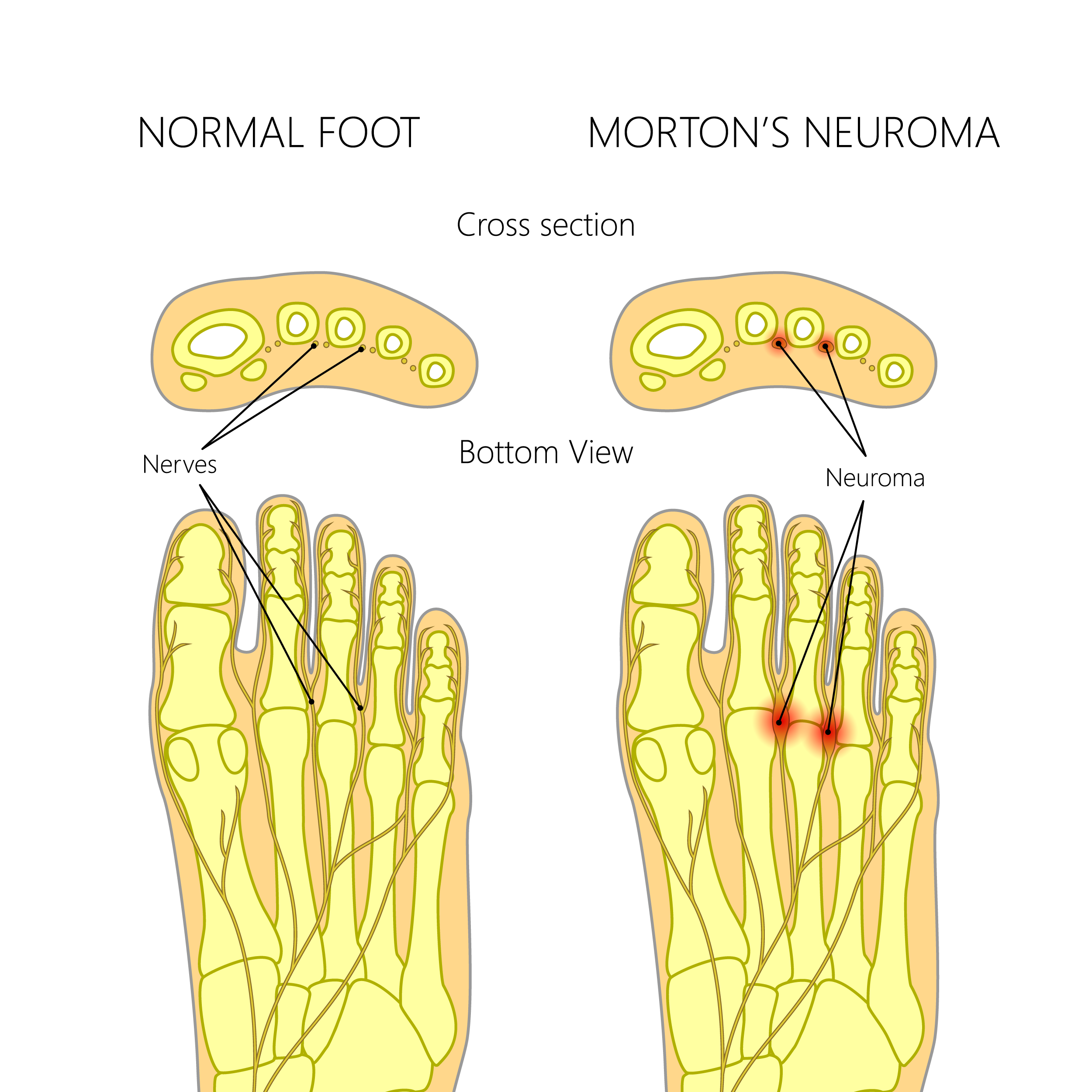
At the level of the foot there are five metatarsal bones, which are long and paired bones and have a body, a base and a head. The first metatarsal is much shorter and thicker than the other four, which have relatively similar dimensions. When walking, jumping or running, in the phase where we push the body weight is transferred to the metatarsals and toes, the first and second metatarsal taking most of the force.
Most metatarsal problems develop when there is something that changes in the way the foot normally works, thus affecting the way the weight is distributed in the legs. This places an excess pressure at the level of the metatarsals that leads to pain and inflammation, more affected being the ends of the metatarsians that articulate with the phalanges (toes).
Placing some pads or plantar supporters in the shoes adapted to the individual needs that will reduce the pressure placed at the level of the nerves.
Also appropriate footwear, preferably with low and wider soles at the level of the metatarsus has an important role in relieving pain.
Anti-inflammatory drugs help minimize swelling and alleviate pain, but are recommended for short periods of time, 7-14 days maximum.
Local injections of corticosteroids (stronger anti-inflammatories) help reduce inflammation leading to a significant improvement in pain.
Local ice massage or the application of ice compresses also helps to reduce pain.
Avoid for a few weeks activities with a high impact on the foot, such as dancing, running, aerobic gymnastics.
Decompression surgery is necessary in some situations to reduce the pressure on the nerves. Surgical removal of thickened tissue (around the nerves) is indicated if other methods of treatment do not respond effectively, however there is a risk of numbness of the fingers of the affected foot, following the intervention.
Physical therapy helps reduce pain and resume daily and sports activities, through stretching exercises, exercises for balance and for increasing muscle strength.

I always follow professional workflow and provide you the best service with reliable costs.



Balance is a term frequently used by healthcare professionals, as there is no universally accepted definition of human ...
Inguinal pain is caused by an injury or rupture in any of the adductor muscles which are located on the inside of the ...
The metacarpal fracture is a rupture of one or more metacarpal bones and is very common among people who practice ...