

2023-03-07 00:00:00
WHICH MATTRESS IS SUITABLE FOR BACK PAIN?
Persistent back pain can seriously affect the quality of life and this includes impaired sleep. A quality mattress ...


While many of us believe that sleep is a time when nothing happens, sleep is, in fact, at least from a neurological point of view, a very busy period of time.
Basically, during sleep the body is restored, it recovers.
Sleep is a basic physiological need, like thirst and hunger, helping the brain and body to develop harmoniously and function well.
A restful sleep is one of the three essential elements for health along with balanced nutrition and physical movement. There are three important aspects of sleep:
➢ the duration should be sufficient so that we can be rested the next day
➢ the continuity (the period of sleep must be without interruptions)
➢ the depth (sleep should to be deep enough)
Most people need, on average, about eight hours of sleep to function properly, but the number of hours slept varies depending on the age. Children and teenagers need more hours of sleep compared to adults, due to the intense development at this age and the fact that they are in a permanent state of learning.
Therefore, when we sleep little, we are less efficient, we are tired and nervous, we make more mistakes, we are less creative and we get sick much faster.
Also, lack of sleep changes activity in certain parts of the brain, hampering the process of decision making, managing emotions and behavior, as well as the ability to cope with changes.
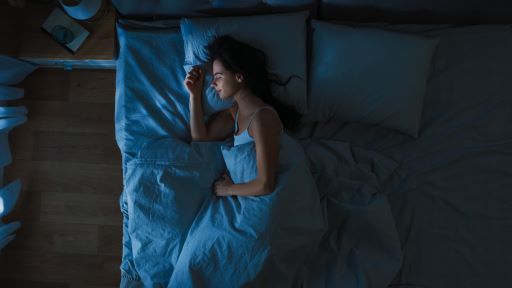
When we rest well, the body can properly control ghrelin and leptin - the hormones responsible for appetite (ghrelin announces the feeling of hunger and leptin signals the feeling of satiety). Without proper control of these hormones, we will feel the need to eat more than necessary, which leads to weight gain.
If we don't sleep well, the skin won't look good either. A 2014 study that evaluated skin aging, showed that people who sleep little or who have poor sleep quality, show increased levels of dehydration of the skin.
Redness, dark circles and bags under the eyes - all are signs that the eyes are not "closed" long enough.
During the night the skin regenerates, the skin cells receive more oxygen and nutrients. Also during sleep, growth hormone is secreted, which also favors the production of collagen and elastin, which helps to slow down the internal aging process. So the skin is affected by lack of sleep.
Caffeine may seem like a remedy for lack of sleep, but it can quickly become part of the problem. In the short term, coffee can make us more active, but in the long run, it can lead to insomnia or anxiety. Also, after a sleepless night, we feel the need to eat more calories. A sleepless brain, more likely wants snacks and unhealthy and high-calorie meals.
Irritability is a sign of fatigue. A study that limited one group of people to 4.5 sleep per night for a week resulted in increased stress, anger and mental exhaustion. The people in the study felt better when they returned to their normal sleep schedule. Depression and poor sleep quality are also closely related. Worse, they spin in a vicious circle, depression can lead to lack of sleep and lack of sleep accentuates depression.
Even a slight decrease in sleep hours (if we lose 1-2 hours of the 8 hours needed per night) can affect our concentration and memory. This can have a major impact on professional activities and those related to the daily routine.
24 hours without sleep does not have a significant impact on health.
Possible effects: drowsiness, irritability, difficulty making decisions, memory deficit, hearing impairment, impaired hand-eye coordination, muscle tension, tremor. Usually, these effects disappear after several hours of sleep.
In this case the effects on the body are much more intense. Sleep helps the body to secrete certain hormones, including cortisol, insulin and growth hormone. Therefore, 36 hours of sleeplessness can affect certain functions of the body, with an impact especially on: appetite, metabolism, temperature, mood, stress level.
Possible effects: extreme fatigue, hormonal imbalance, low motivation, risky decisions, diminished attention.
After two days without sleep, most people have difficulty staying awake, being able to have periods of light sleep (atypical) that can last up to 30 seconds and that happen involuntarily. At the moment of awakening, confusion or disorientation occurs. Staying awake for 48 hours also unbalances the immune system decreasing the activity of immune cells.
After three days of sleeplessness, most people feel an overwhelming need to sleep. In any case, the ability to think is affected, especially if it is about remembering details or attention. At this level of sleep deprivation, even simple tasks are difficult to perform. The effect of sleep deprivation is also felt emotionally, people are irritated, they get annoyed very easily, they can have depressive and anxious states.

I always follow professional workflow and provide you the best service with reliable costs.



Persistent back pain can seriously affect the quality of life and this includes impaired sleep. A quality mattress ...
While many of us believe that sleep is a time when nothing happens, sleep is, in fact, at least from a neurological ...
We don't need any special equipment or a subscription to a gym, or a partner, although walking with a friend has some benefits ...