


2023-03-28 00:00:00
CAN WE PREVENT A HERNIATED DISC?
The term "herniated disc" has become quite popular when we are talking about spinal disorders. It is important to ...


Alcohol is age-related in many ways. You have to be an adult to drink it legally and once you are, it can age you faster than normal.
Moderation seems to be the best advice in many situations, but when it comes to alcohol, quitting is the best advice. First of all, there is no solid evidence that a moderate consumption of alcohol does not affect the body. Secondly, there are people who do not actually know what "moderate" consumption means. Last but not least, a "safe" level of consumption can change over time, because alcohol affects the body differently, as one gets older.
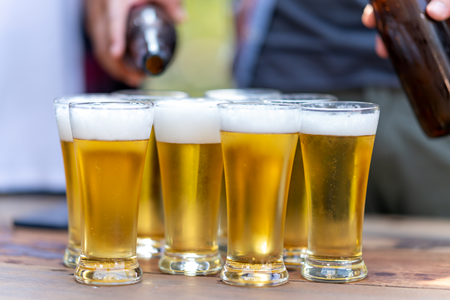
According to Dietary Guidelines for Americans, moderate alcohol consumption means 1 serving per day for women and 2 servings for men. Each of these alcoholic beverages, in the following quantities, is considered 1 serving and contains the same amount of alcohol:
➢ 350 ml of beer
➢ 118 ml of wine
➢ 30 ml of strong alcoholic beverage (hard liquor)
Although environmental factors and related factors are important in the formation of addictions, studies increasingly reveal the great importance of genetic factors. Thus, there are studies that have shown that a certain sensitivity to alcoholism is inherited.
Alcohol and psychoactive substances (drugs) act on gene expression, more precisely on how genes perform their functions in cellular activity.
Excessive alcohol consumption can have direct effects on certain parts of the body and on mental health and can also have some indirect, unhealthy effects.
One of the main places where ethanol (the active substance in alcohol) acts is the central nervous system.
Every alcoholic beverage goes "directly to the head" or at least to the brain. Excessive alcohol consumption over a long period of time can affect brain cells and can even cause brain damage or certain types of dementia.
Symptoms such as lack of judgment, lack of organization or emotional control, problems of
concentration, problems related to anger control, can occur as a consequence of long-term alcohol consumption.
Our skin becomes thinner and drier as we age. It's a natural process that can't be controlled. Cutaneous aging has two components: intrinsic and extrinsic. Intrinsic aging is a process that depends on genetic and constitutional factors, that is, we are talking about personal characteristics. Extrinsic aging is when your skin ages faster than it should because of the environment and the way we live. This is where alcohol comes in, which dehydrates and dries the skin.
Alcohol can affect how some vital organs work and can make them age faster. The liver is affected even by moderate alcohol consumption, which can lead to problems such as fatty liver disease (hepatic steatosis).
Alcohol is processed (metabolized) in the liver. Even if alcohol causes certain damage to the liver from the beginning, it can continue to function for a while, since it has a great regenerative power, even when it is damaged about 80%.
But the constant consumption of alcohol, over time can produce inflammation (alcoholic hepatitis), and in the most severe cases, cirrhosis of the liver - about 10-20% of people consuming alcohol develop cirrhosis.
In cirrhosis, a large amount of normal liver tissue is permanently replaced by scar tissue (called fibrosis), which does not perform any function. As a result, the internal structure of the liver is disturbed and the liver can no longer function normally. Eventually, the liver shrinks. Cirrhosis is not reversible.
Alcohol has a pronounced diuretic effect, which increases the load on the kidneys and favors dehydration. The body spends a significant part of the fluid reserves for the elimination of alcohol. As a result, a water deficiency is formed, which leads to thickening of the blood and thick blood for the kidneys is much more difficult to filter than normal, which is why the renal system is subject to additional stress and wears out quickly. We can say that the kidneys and alcohol are categorically incompatible. In people who constantly consume alcohol, urine contains a cloudy sediment, caused by impaired renal activity.
Red wine has antioxidants called polyphenols that can help your cholesterol levels and protect your blood vessels. There are studies showing that red wine drunk in moderation (about a glass a day), could be good for the heart. But, this is not a good enough reason to start drinking wine. In addition, anything that exceeds the recommended amount, can lead to abnormal heartbeats and high blood pressure.
Alcohol can affect how the body fights serious diseases such as tuberculosis or pneumonia. Alcohol not only increases the chances of getting sick as time goes on, but can also aggravate some existing medical problems, such as osteoporosis, diabetes, high blood pressure, ulcers, memory loss and certain mood disorders.
Alcohol can affect the balance because of the negative impact on the cerebellum (the area of the brain that takes care of balance and coordination), which increases the risk of injuries.
It can have a non-harmful impact on sleep. The habit of drinking something for relaxation before bedtime is not exactly good, because alcohol can prevent sleep from appearing or can lead to a restless sleep. This aspect is even more delicate for the elderly, who are already more likely to wake up often or for people who have a sleep disorder such as insomnia.

I always follow professional workflow and provide you the best service with reliable costs.



The term "herniated disc" has become quite popular when we are talking about spinal disorders. It is important to ...
Metabolism is the totality of biochemical and energetic transformations that take place in the body ...
Why is it important to choose the right shoes? For the health of the feet, first of all ...