


2023-03-27 00:00:00
LOMBAGO
Lombago is a condition that manifests with pain in the muscles and joints of the lower back, more precisely in the ...


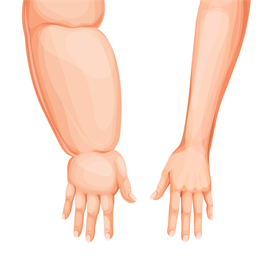
Lymphedema is a condition that causes edema (swelling) in the tissues of the body. It can affect any area of the body but most often affects the upper limbs (arms) or lower limbs (legs) and occurs when the lymphatic system does not function properly.

It is a network of ducts, glands and lymph nodes that are located throughout the body and help fight infections and eliminate excess fluid.
The lymphatic system is extremely important for keeping the body healthy. Lymph circulates through our body, a liquid rich in proteins with a role in collecting bacteria, viruses and toxins. The lymphatic system transports this fluid and harmful substances through the lymphatic vessels, which lead to lymph nodes. The waste (harmful substances) are then filtered by lymphocytes - cells to combat infections that are in the lymph nodes - and eventually eliminated from the body.
It occurs when lymphatic vessels cannot adequately drain (remove) lymphatic fluid, usually from an arm or leg. Lymphedema can be primary or secondary.
Primary lymphedema, less common, caused by defective genes, which affect the development of the lymphatic system. It can develop at any age but occurs more frequently in childhood, adolescence or at the onset of adulthood.
The secondary lymphedema, the most common one, is caused by damage to the lymphatic system or by problems that keep the fluid from draining the lymphatic system. It occurs as a result of treatment for tumors, most often or as a result of infections, injuries or inflammations of the upper limbs or simply due to lack of movement.
The main symptom of lymphedema is the swelling (edema) of the upper limb. At first, edema may appear and subside quickly or may appear during the day and at night to improve, disappear. After a while, however, without treatment it will become more severe and persistent.
➢ painful/heavy hand sensation
➢ difficulty when moving
➢ repeated cutaneous infections
➢ hard skin, fluid leakage through the skin
It is important that lymphedema is identified and treated early to prevent its aggravation.
Decongestive lymphatic therapy is recommended, that helps control the symptoms, using certain techniques that prevent the accumulation of excess fluid and that stimulate the circulation of the lymphatic system. These techniques, executed under therapeutic guidance, include:
➢ Wearing special compression bandages, which help eliminate excess fluid and prevent its re-accumulation in tissues
➢ Proper skin care to keep it in good condition and prevent the appearance of infections
➢ Lymphatic massage or manual lymphatic drainage that stimulates fluid flow into the lymphatic system and reduces edema
➢ Physical exercises, performed regularly to activate and tone the muscles of the affected limb.
Decongestant lymphatic therapy should be applied daily, for several weeks, until the volume of the upper limb is reduced. A maintenance period in which compressive clothing, self-massage and exercise are used.
The maintenance period is aimed at maintaining the small size of the upper limb.

I always follow professional workflow and provide you the best service with reliable costs.



Lombago is a condition that manifests with pain in the muscles and joints of the lower back, more precisely in the ...
The avulsion of the triceps tendon falls into the category of rare tendinous lesions and represents the rupture of ...
At the level of the hand, the palmar or volar plaques (also called palmar or volar ligaments) are found in the ...