

2023-03-14 00:00:00
FRACTURES OF THE RIBS
Rib injuries generally refer to rib fractures, which represent the rupture of one or more ribs. Sometimes the ribs are ...


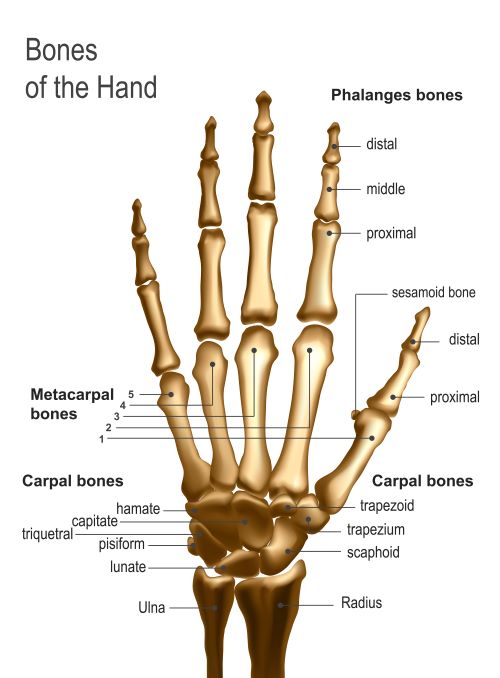
The skeleton of the forearm consists of two long bones, radius and ulna, which form the radioulnar joint and which are united by the interosseous membrane.
Distal ulna fractures are quite frequent and occur either isolated, only at the level of the ulna, following the action of a direct force, or simultaneously with the radius fracture following a fall on the stretched arm.
When the radius and ulna bones break, a series of structures near them can be injured, namely the cartilage that covers the surfaces of the wrist joint, nerves, blood vessels, ligaments and tendons, hindering the healing process.
The main symptom felt in the case of radius and ulna fracture is intense pain accompanied by deformation of the fractured area. Among other symptoms we mention:
➢ Reduction of movement in the joint
➢ Inflammation
➢ Stiffness
➢ Numbness/tingling


Radius and ulna fracture is a serious condition that requires emergency medical attention and an X-ray to visualize the fracture and other injuries, if any. Depending on the result of the X-ray, the most appropriate therapeutic approach is also assessed, namely:
✓ surgical intervention in case of fracture with displacement, in which blood vessels and nerves are also affected
✓ immobilized in the plastered device, in the case of fracture without displacement
If surgery was necessary, after performing it, a splint will be applied for 10-14 days and the arm will be supported by a belt/harness. After removing the splint, the recovery program can be started by physical therapy.
If it a gypsum cast was chosen, after its removal, the joint is rigid and the muscles are lacking tone. Although gradually the movement and force are recovered at the level of the joint, it is done slowly and certain movements that involve the rotation of the joint can be difficult.
It accelerates the healing process and facilitates the complete resumption of the degree of movement in the joint but also the toning of the muscles, so that relapses and/or other injuries will be prevented.
The recovery program, under the guidance of a physical therapist, includes:
1. Joint mobilization
2. Manual therapy
3. Stretching exercises
4. Specific physical exercises whose degree of difficulty and loading will gradually increase.
Full recovery after a radius and ulna fracture can take up to 6 weeks, during which the resumption of sports activities is done gradually.
You can start light activities such as swimming and light exercise and demanding activities such as skiing, or football can be resumed after 3-6 months after injury.

I always follow professional workflow and provide you the best service with reliable costs.



Rib injuries generally refer to rib fractures, which represent the rupture of one or more ribs. Sometimes the ribs are ...
Arthrosis or osteoarthritis of the hand affects millions of people around the world, setting in with the passage of ...
The cervical spine is composed of 7 vertebrae that stretch from the base of the skull to the upper part of the thoracic ...