


2023-03-13 00:00:00
WHY DO THE LEGS SWELL?
Swelling of the legs can occur in any part of the limbs - the foot, ankles, calves or thighs because of the accumulation ...


Radius is one of the two bones of the forearm and stretches from the elbow to the wrist. The distal part of it, at the level of the hand, is the most exposed to fractures, also known as Smith Fractures.
The distal radius fracture is one of the most frequent fractures encountered both in active people, following major traumas (direct fall on the hand, accidents) and in elderly people following minor traumas, osteoporosis being a favoring factor.
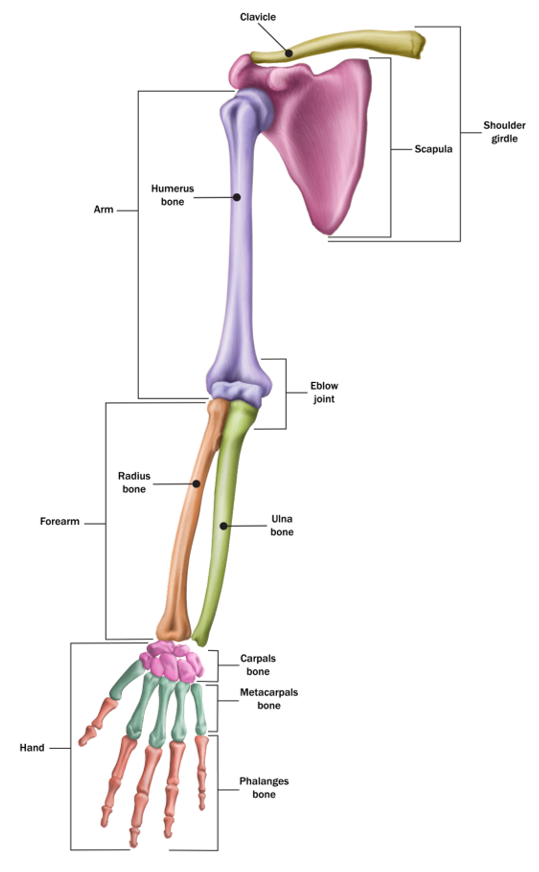
The arm is a complex system of muscles, bones, blood vessels and nerves and stretches from the shoulder to the tip of the fingers, having an extremely important role in the body, more precisely:
➢ The upper part of the arm, stretching from the shoulder to the elbow, gives the arm lifting and pulling power
➢ At the elbow level, due to the hinge-type joint, the arm can make an extension of 180 degrees
➢ The forearm, located between the elbow and the wrist, helps to rotate the wrist (pronation and supination)
➢ The wrist, is a complicated area consisting of 13 bones and multiple tendons and muscles
➢ The hand, with the help of the 5 fingers, helps to perform many complex tasks.
Distal radius fracture often occurs during sports activities, in case of falls on the hand or car accidents.
As rapid manifestations, the wrist swells in a few minutes and the bending-straightening movements of the wrist and the clamping movement become impossible. Sensitivity and pain are also present in the fractured site.
If the fractured radius bone is not in the correct position and limits the movement in the arm, it is necessary to realign the bone fragments. When this can be done without incision, the intervention is called a closed reduction.
After aligning the bone fragments, it is necessary to wear a splint or plastered apparatus for 2-3 weeks. With the healing of the fracture and the removal of gypsum, the recovery program can be started through physical therapy.
Under the guidance of a physical therapist, a program of physical exercises will be executed that aim at:
➢ improving wrist movements
➢ preventing joint stiffness
➢ increasing joint flexibility
➢ increasing muscle tone and regaining strength in the wrist and hand
➢ pain reduction

➢ If you find yourself in the situation of a fall, try to avoid placing the arm in front of you in an effort to stop the fall. Rolling on one side would be an option
➢ Check for osteoporosis around the age of 60, because, due to the presence of osteoporosis, a minor fall can result in a distal fracture of the radius
➢ To prevent fractures from occurring, a good condition of the bones is necessary, a diet with products containing calcium being indicated.
➢ Pay attention to winter sports and skateboarding.

I always follow professional workflow and provide you the best service with reliable costs.



Swelling of the legs can occur in any part of the limbs - the foot, ankles, calves or thighs because of the accumulation ...
The fracture of the peroneum also called fibula, the second bone of the tibia located in the external part of the calf ...
Pelvic pain is localized in the lower abdomen and pelvis and can manifest itself as a symptom of diseases of the ...