

2023-03-13 00:00:00
MEDIAL EPICONDYLITIS (THE GOLF PLAYER'S ELBOW)
Medial epicondylitis or the golf player's elbow is a condition that causes pain in the tendons of the forearm muscles that ...


Swelling of the legs can occur in any part of the limbs - the foot, ankles, calves or thighs because of the accumulation or retention of fluid, also called edema or by inflammation of the diseased tissues or joints.
Most of the causes of leg swelling, such as an injury, prolonged sitting or standing are easy to detect. Sometimes, however, swelling of the legs could be the sign of a more serious condition, such as heart disease or a thrombus.
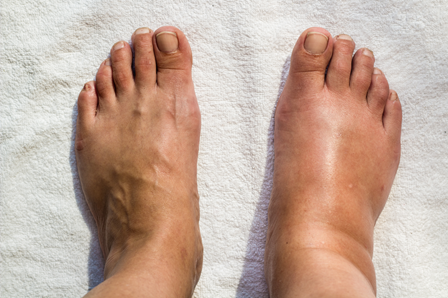
You should immediately go to the doctor if the legs are swollen and you do not breathe well or have chest pain. These could be signs of fluid or a blood clot in the lungs. Also consult a doctor if:
➢ The swollen leg holds a dimple after you press it.
➢ Your skin in the swollen area looks stretched or breaks.
➢ The swelling of the foot is associated with its pain.
1. EDEMA
Edema occurs when the body retains too much water, leading to swelling of the legs, hands or even the face. Edema can occur after long periods of standing, after a long flight by plane or, in women, in the menstrual period. Usually, it remits itself and when it persists for a longer time, it can be a sign of a health problem such as heart failure or kidney or liver disease, in which case one should see the doctor.
2. LESION
If you step incorrectly and your foot and/or ankle swells, it can be the sign of a broken bone or a sprain. Go to the doctor if the pain is intense and, most importantly, do not leave body weight on the affected leg.
3. PREGNANCY
The legs may swell during pregnancy because the body retains more water, but it is not a problem for the mother or child. Normally, the swelling of the legs is more pronounced at the end of the day or after a long period of standing.
PREECLAMPSIA, when swelling of the legs is associated with a headache, nausea, breathing problems or belly pain, is related to high blood pressure and requires specialized consultation.
4. LYMPHEDEMA
The lymphedema is most commonly caused by the removal or damage of the lymph nodes, as part of the treatment of oncological diseases. Basically, lymphedema occurs as a result of a blockage of the lymphatic system, which is part of the body's immune system, a blockage that prevents lymphatic fluid from draining (eliminating) and the accumulation of fluid leads to swelling
The lymphatic system is a network of ducts, glands and nodules that are located throughout the body and help fight infections and eliminate excess fluid. Lymph circulates through our body, a liquid rich in proteins with a role in collecting bacteria, viruses and toxins. The lymphatic system transports this fluid and harmful substances through the lymphatic vessels and takes it to the lymph nodes. The waste (harmful substances) are then filtered by lymphocytes - cells to combat infections that are in the lymph nodes - and eventually eliminated from the body.
Lymphedema occurs when the lymphatic vessels cannot adequately drain (remove) lymphatic fluid. Exercise, lymphatic massage, compression dressing items can help drain excess fluid.
5. CHRONIC VENOUS INSUFFICIENCY
In order to return from the legs to the heart (the return circulation), the blood travels into the veins with "one-way valves" to prevent it from flowing back down. These valves can deteriorate as time passes or after long periods of standing. Damage to the valves can also be the result of blood clots. When the blood does not return to the heart as it should, it can cause persistent swelling in the legs, in which case you should go to the doctor.
6. HEART FAILURE
Heart failure occurs when the heart does not pump blood as much as it should. In addition to swelling of the legs, heart failure is also manifested with an unusual heart rhythm, the sensation that the heart beats faster and breathing can be difficult. In this case, one must see the doctor.
7. KIDNEY DISEASE
The kidneys filter out waste from the blood. When they do not function properly, due to a condition such as diabetes or high blood pressure, then too much salt (sodium) can be left in the blood, which leads to water retention in the body. Gravity pulls water down and your feet and ankles may swell.
8. LIVER DISEASES
In case of hepatitis (inflammation in the liver) or in the case of alcohol consumption, the liver suffers. In certain liver diseases, too much fluid can accumulate in the belly and legs, causing them to swell.
As general principles of treatment, a series of procedures are followed, in order to reduce swelling and pain in the legs.
Thus: rest + ice + compression + elevation = light legs
It is a useful treatment for sprains and fractures, but it can also help if the legs are swollen for other reasons. When we rest and raise our legs on a pillow, the fluid retained at the level of the legs, begins to drain.
Ice favors the vasoconstriction of blood vessels, limiting blood flow and implicitly fluid retention. Compression socks can push the liquid away from the legs.
Walking keeps the blood moving throughout the body, preventing fluid retention. Any movement involving the knees and ankles prevents fluid retention in the legs.
Some medications used to treat high blood pressure, diabetes and various inflammations may favor fluid retention. Other drugs, called diuretics, can eliminate fluid retention. Self-medication is not recommended, but the consultation of a doctor to recommend necessary medications is essential.

I always follow professional workflow and provide you the best service with reliable costs.



Medial epicondylitis or the golf player's elbow is a condition that causes pain in the tendons of the forearm muscles that ...
The scapula or shoulder blade is a thin and flat, mobile, triangular bone, well protected by a surrounding ...
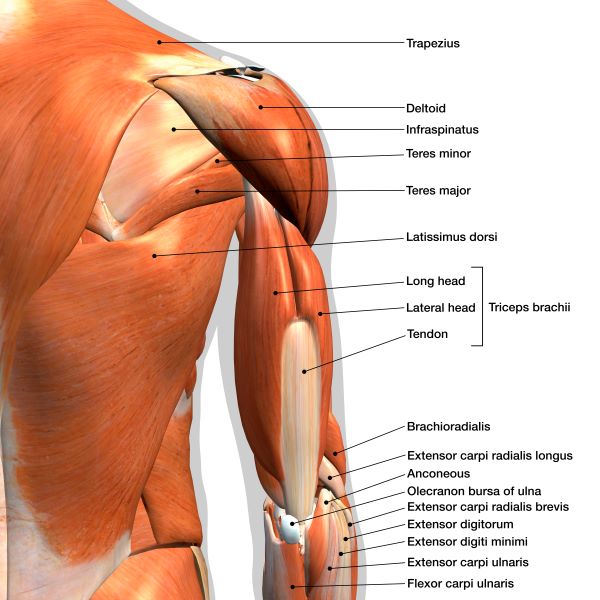
The triceps brachial muscle is a long and voluminous muscle, located on the posterior side of the arm, stretching ...