


2023-03-14 00:00:00
FRACTURE OF THE TIBIAL PLATEAU
The tibia is the largest and strongest bone of the calf bones, the other being the fibula or the peroneum. The tibia connects ...


Fracture of the wrist involves the rupture of one of the bones of the hand or even of the wrist itself. Most commonly this injury occurs in a person who tries to catch himself/herself during a fall and lands on the outstretched arm. The wrist can also be fractured during sports activities such as football, snowboarding or skiing. Osteoporosis can also make the bones more fragile and prone to fractures.
Early treatment significantly helps reduce wrist stiffness, which is important because the wrist is useful in most daily activities. Sometimes the fracture can be quite small and can be easily confused with a sprain of the wrist, a situation when it is necessary to perform an X-ray to confirm the diagnosis.
The wrist connects the forearm (which contains 2 bones: radius and ulna) and the hand itself (consisting of eight smaller carpal bones). This unique arrangement offers a wide range of movement (straightening, bending, rotation and lateral movement) but it is also very fragile and exposed to injury in the event of a fall, especially in the elderly.
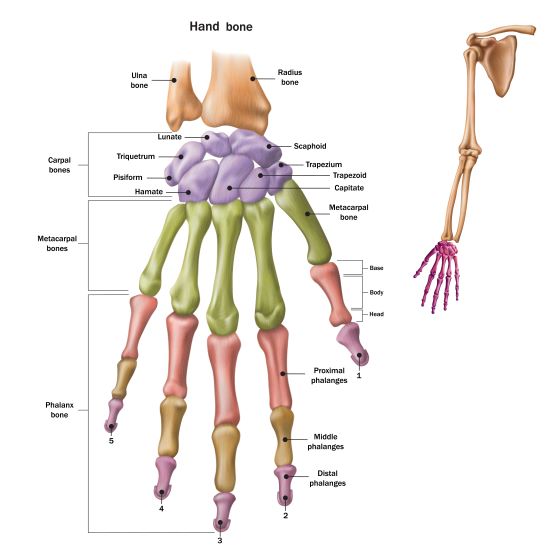
Restricting the movement of the wrist is extremely important in order to give the fractured bone/bones the opportunity to heal properly. Thus, the immobilization will be carried out with the help of a plastered splint or with the help of an orthosis.
To reduce inflammation and pain, anti-inflammatory drugs will be administered. In case of severe pain an opioid medication (codeine, morphine, etc.) may be necessary for pain management. The difference between anti-inflammatory and opioid drugs is that opioids do not treat inflammation, but only pain and are recommended only in case of severe pain. However, it is recommended to use them in the short term.
After the immobilization period, the recovery program begins through physical therapy (specific physical exercises, manual therapy) and physiotherapy, both to reduce the post-immobilization rigidity and to restore the range of movement in the wrist.
In case of severe fractures, surgery may be necessary to restore broken bones with the help of fixing devices such as rods, screw plates or bone grafts to maintain the correct positioning of the bones during the healing process.
➢ A diet enriched with vitamin D and calcium is recommended to build bone strength.
➢ After menopause, additional calcium may be necessary
➢ Appropriate protective equipment will be worn in case of activities with risk of injury (sports or domestic). Wrist protectors are often used in high-impact sports such as winter sports

I always follow professional workflow and provide you the best service with reliable costs.



The tibia is the largest and strongest bone of the calf bones, the other being the fibula or the peroneum. The tibia connects ...
The temporomandibular joint is one of the most complex joints of the body ...
The Achilles tendon is a structure of fibrous tissue that connects the calf muscles to the heel bone (calcaneus) – basically, ...