

2023-03-29 00:00:00
RUPTURE OF THE ACHILLES TENDON
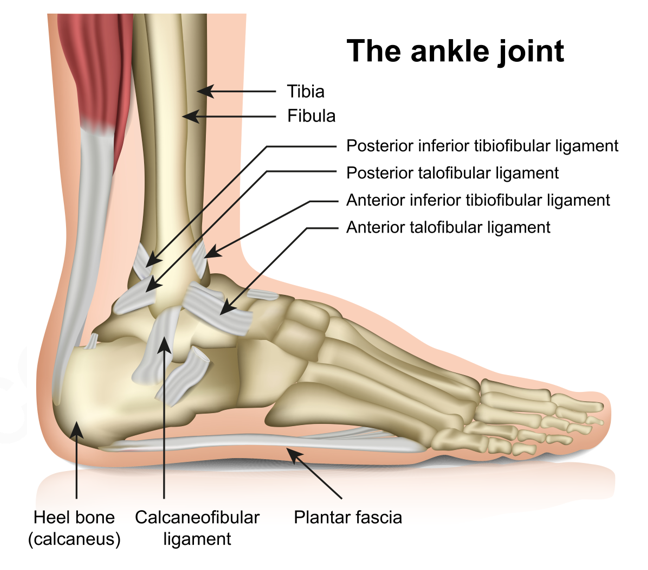
The Achilles tendon is a structure of fibrous tissue that connects the calf muscles to the heel bone (calcaneus) – basically, ...


When the articular surfaces at the elbow level become separated from each other, the luxation appears, which can be partial or complete.
In a partial luxation only a part of the joint is involved with separate articular surfaces being called subluxation. Ligaments on the other hand can suffer ruptures.
In a complete luxation, the articular surfaces are entirely separated and other anatomical structures in the joint, such as ligaments, blood vessels and nerves, can also be affected.

Three bones with distinct shapes unite to form the elbow joint, namely:
➢ humerus (arm bone)
➢ radius and ulna (bones of the forearm).
Ligaments that are connected to the bones, work to keep the elbow joint in a proper alignment. As the muscles contract and relax, two distinct movements occur at the level of the elbow, namely:
➢ flexion - extension (bending- straightening) of the forearm
➢ pronation - supination of the hand (turning the palm up and down)
Luxation of the elbow, as well as its fracture occur after severe falls or accidents and require urgent care.
The maneuvers of reducing the elbow luxation involve the realignment of the articular surfaces.
These maneuvers are performed in the hospital, following the administration of the sedative and pain medication.
In the case of mild luxation, the elbow will be immobilized with the help of a plastered splint for several weeks. After removing the splint, the elbow may be stiff and the movements limited, it’s necessary to start a physical therapy program.
With the help of specific exercises the following are targeted:
✓ reducing elbow stiffness
✓ gradually resuming movements until gaining complete amplitude
✓ increasing joint mobility
✓ reducing pain
As complete movement is resumed, the recovery program will continue with toning the arm and forearm muscles to prevent relapses or other injuries. X-rays will also be performed to visualize the return of the articular surfaces to the correct position.
It is indicated in the case of complete dislocations, aiming at the realignment of the articular surfaces and the restoration of the ligaments around the elbow as well as of the nerve bonds and blood vessels (if they have been affected).
After surgery, the elbow will be protected with the help of an orthosis.
After surgery, it is also necessary to start a physical therapy program to reduce elbow stiffness and regain complete movement.
The flexion movement (bending the elbow) will be easier to recover, but for the complete extension (elbow straightening) a longer time is required and the exercise program will be completed by manual therapy.

I always follow professional workflow and provide you the best service with reliable costs.



The Achilles tendon is a structure of fibrous tissue that connects the calf muscles to the heel bone (calcaneus) – basically, ...
Spinal stenosis is a narrowing of the spinal canal (the canal that houses the spinal marrow) that can put pressure ...
The tarsian tunnel syndrome is a condition that occurs when there is a high pressure on the nerves located on the ...