



2023-03-29 00:00:00
SINDROMUL LEVATOR SCAPULAR
The scapular levator syndrome refers to the pain felt in the scapular levator muscle, being one of the most common ...


The tarsian tunnel syndrome is a condition that occurs when there is a high pressure on the nerves located on the inner side of the leg, especially the posterior tibial nerve when it passes through the tarsian tunnel. Compression of the posterior tibial nerve can cause pain, tingling or numbness in the leg.

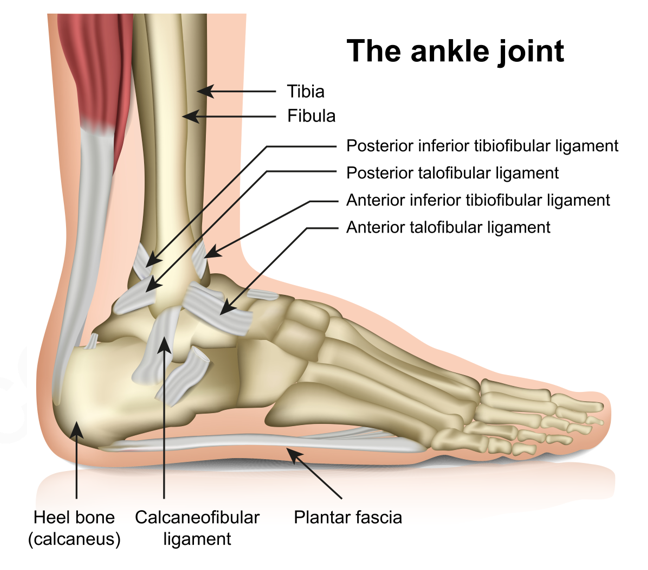
The tarsian tunnel is located on the inside of the ankle and consists of the ankle bones and the band of ligaments that stretch over the foot. Many of the blood vessels, nerves and tendons that participate in the movement and flexibility of the foot pass through the tarsian tunnel.
When the posterior tibial nerve, which stretches along the ankle and sole, is compressed when it passes through the tarsal tunnel, inflammation occurs.
Since the condition is relatively unusual, it can be quite difficult to diagnose.

The foot (also popularly called trilbies) is the structure located at the extremity of the lower limbs and is used for bipedal resort and displacement. The legs, as well as the hands are the most complex bone structures in the body.
The skeleton of the foot consists of:
➢ the seven tarssian bones (calcaneus, talus, cuboid, navicular and the three cuneiform bones)
➢ the five metatarsal bones
➢ the phalange bones (bones of the fingers, 3 at each finger, except for the big toe that has 2 phalanges).
Any condition that tenses or compresses the tibial nerve, including:
➢ Flat feet
➢ Swelling caused by an ankle sprain
➢ Arthritis or diabetes, which can cause swelling and compression of the nerves
➢ Varicose vein, ganglion cyst, swollen tendon or bone spur
Anti-inflammatory drugs help reduce inflammation of the tissues surrounding the posterior tibial nerve as well as reduce nerve irritation.
But they are recommended for short periods of time, 7-10 days.
Local cortisone injections (a stronger anti-inflammatory) could help reduce inflammation.
Manual therapy and specific exercise help alleviate pain and improve leg mobility.
This can have a positive impact on reducing nerve compression and normalizing gait.
People who have problems with pronation, when the foot is oriented inwards, over time may have problems with the planting arches that tend to flatten and with the tibial nerve that can become stretched at the level of the tarsian tunnel.
To help alleviate the problem orthopedic devices such as custom shoe pads could be useful. Wearing these devices inside the shoes can help support the plantar arch and ease the tension on the tibial nerve.

I always follow professional workflow and provide you the best service with reliable costs.



The scapular levator syndrome refers to the pain felt in the scapular levator muscle, being one of the most common ...
Tendinopathy is a condition of the tendons, whose role is to connect the muscles to the bones, often near a ...
Urinary incontinence - loss of bladder control - is a common and often embarrassing problem. It ranges from the ...