

2023-04-10 00:00:00
GLENOHUMERAL INTERNAL ROTATION DEFICIT
The glenohumeral internal rotation deficit is simply a loss of the internal rotational movement of the shoulder ...


Osteoporosis causes the bones to become weak and fragile, so a fall or even mild stress, such as a bend or even coughing, can result in a fracture. Fractures related to osteoporosis occur most frequently in the hip, wrist or spine.
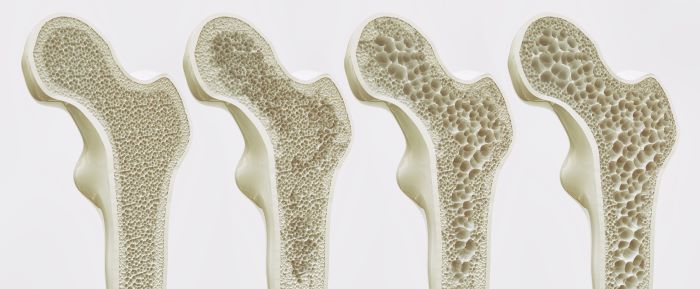
In the early stages there are no symptoms, but as time goes by, osteoporeosis manifests with back pain, loss of height, a posture bent forward (hunched) and bone fragility.
Some risk factors for osteoporosis are uncontrollable, namely:
• Gender, women being more likely to develop osteoporosis than men.
• Age, as time goes by, the risk of osteoporosis is higher.
• Nationality, white or Asian people have the highest risk of osteoporosis.
• Heredity, if there are parents or siblings with osteoporosis in the family, there is a higher risk of developing it.
• Hormones, osteoporosis being more common in people who have too much or too little of certain hormones, for example sex hormones. Lowering the level of sex hormones tends to weaken the bone. Reducing estrogen levels in postmenopausal women is one of the strongest risk factors for the development of osteoporosis. Men have a gradual reduction in testosterone levels as they age.
• Thyroid problems. Too many thyroid hormones can favor bone fragility. This happens if the thyroid is overactive or if too many thyroid hormones are taken (drugs to treat hypothyroidism)
• Other glands. Osteoporosis has also been associated with the overactive parathyroid and adrenal glands.
Other factors that favor the development of osteoporosis are:
• Low calcium intake contributes to decreased bone density, early bone loss and an increased risk of fractures.
• Eating disorders. Severe restriction of food intake and underweight significantly weaken bones.
• Gastrointestinal surgery. Surgery to reduce the size of the stomach or to remove part of the intestine, limits the amount of surface area available to absorb nutrients, including calcium.
• Steroids and other drugs. Long-term use of oral drugs or corticosteroid injections, such as prednisone and cortisone, interferes with the process of bone reconstruction.
A SEDENTARY LIFESTYLE is another important factor that predisposes to osteoporosis. People who are active have a lower risk of developing osteoporosis. Any exercise with weights and exercises for balance and posture are beneficial for bones, but also walking, running, jumping, dancing.
Bone fractures, especially in the spine or hip, are the most serious complications of osteoporosis. Hip fractures are often caused by a fall and can lead to disability. In some cases, spinal fractures can occur even in the absence of fall. The vertebrae can become weakened in a fairly high percentage, which can lead to back pain, loss of height and a bent forward posture (hunched).
A qualitative diet, rich in calcium and vitamin D, supplemented with regular exercise, are essential for maintaining healthy bones throughout life.
Men and women between the ages of 18 and 50 need 1,000 milligrams of calcium per day. Calcium requirements increase to 1,200 milligrams when women turn 50 and men 70 years old. Foods that contain calcium are:
✓ Low-fat dairy products
✓ Dark green leafy vegetables
✓ Canned salmon or sardines with bones
✓ Soy products such as tofu
✓ Orange juice
Vitamin D improves the body's ability to absorb calcium and helps maintain bone health. Vitamin D can be obtained from sunlight and other food sources. The vitamin D requirement for adults between the ages of 51 and 70 years is 600 international units (IU) and 800 IU per day after the age of 70, which can be provided by food or supplements. Foods rich in natural sources of vitamin D are salmon, mackerel and sardines, as well as egg yolks.
It helps build strong bones and prevent their degradation. Strength exercises, endurance exercises and balance exercises are the most effective for bones. Strength training helps strengthen muscles and bones. Resistance exercises such as running, climbing stairs, jumping ropes, skiing - mainly strengthen the bones of the legs, hips and lumbar spine. Balance exercises reduce the risk of falling, especially in older people. Swimming, cycling and exercise on machines can provide a good cardiovascular workout, but do not improve bone health
✓ Keep your body weight within normal limits. Underweight accelerates the loss of bone density by not ingesting the necessary nutrients to the bones while excess weight increases the risk of fractures, but the pressure put on the fragile bones. As such, maintaining a proper body weight is important for bones.

I always follow professional workflow and provide you the best service with reliable costs.



The glenohumeral internal rotation deficit is simply a loss of the internal rotational movement of the shoulder ...
Rickets is a condition characteristic to first childhood and consists of insufficient calcification of bone tissue ...
Bursita popliteala care reprezinta inflamarea bursei popliteale, este cauzata de un exces de lichid provenind ...