


2023-03-29 00:00:00
BREATH
Breathing is a physiological process by which organisms make an exchange of oxygen and carbon dioxide with ...
Written by: Motric Recovery


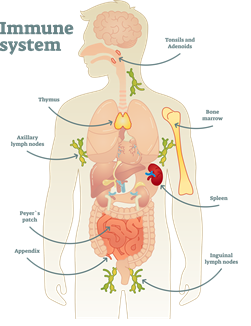
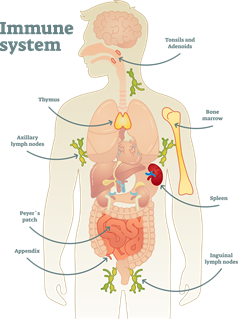
The immune system is a term used to define the body's defense mechanisms against pathogens. This defense function is important for maintaining the health of the body, which is continuously subject to the influence of external factors. Normally, the immune system seeks to remove or destroy foreign unhealthy or unfavorable to health organisms entering the body, such as pathogens, as well as the destruction of its own harmful or altered structures. Simply put, the immune system fights against diseases and helps the body to heal, with the help of organs such as: tonsils, spinal cord, lymph nodes, spleen, thymus, intestine, skin and a number of cells and mucous membranes.
But, there are situations when the immune system can be underactive, overactive or even attack the body by mistake. Problems of the immune system can cause symptoms, allergic reactions or persistent diseases.
Here are some of them:
Very dry eyes can be a sign of problems in the immune system. In addition to dryness, the eyes can be red and may feel as if you have sand in them. They can also be associated with blurred vision or in more severe cases, even with corneal injuries.
Depression can be a sign of immune system problems. A defective immune system can send inflammatory cells, called cytokines, to the brain. Thus, levels of neurotransmitters such as Serotonin, which is responsible for well-being, decreases. Fortunately, exercise can boost serotonin, relieve inflammation and help relieve depression.
Eczema and skin itching are allergic reactions indicating that the immune system is overactive. Psoriasis and psoriatic arthritis are conditions related to a deficient immune system, more precisely, the immune system attacks its own skin cells, causing inflammation. This can cause red and painful spots in the skin.
Symptoms of the stomach and intestine can be caused by problems of the immune system. Diarrhea, belly pain, bloating and weight loss are symptoms of Crohn's disease, ulcerative colitis or celiac disease, which are diseases caused by the deficient immune system.
Blood flow from the hands and feet can slow down at low temperatures, leading to a bluish-white coloration of them. Cold hands and feet could be the sign of an underactive thyroid gland, due to the deficient immune system.
The immune system can attack the hair at the root leading to damage or even to its fall. Hair can fall out in small areas, on the head or anywhere on the body. Other immune system problems, such as psoriasis localized on the scalp (scalp), can cause uneven hair loss.
Immune system problems can increase sensitivity to sunlight. In Lupus disease, the skin can easily burn even in the case of short-term exposure to the sun. The sun can accentuate all the symptoms of Lupus disease, which is why it is recommended to wear hats, sunglasses and appropriate clothing, as well as high sun protection.
Stiff, inflamed and painful joints can be a symptom of Rheumatoid Arthritis, an autoimmune condition in which the immune system leads to inflammation of the tissue lining the joints, causing severe joint pain.
If the immune system is sluggish, minor wounds, such as a cut, a burn, or even a scratch, heal more slowly. Normally, a healthy immune system acts quickly in the event of a wound by sending nutrients to accelerate healing. When minor wounds heal more slowly, we can speak of an underactive immune system.
Frequent infections, viral or bacterial, can also be signs of an underactive immune system. More than three to four ear infections in a year, chronic sinus infections, pneumonia once or twice in a year, or if antibiotic administration is required more often than twice a year, there may be an immune deficiency.

I always follow professional workflow and provide you the best service with reliable costs.



Breathing is a physiological process by which organisms make an exchange of oxygen and carbon dioxide with ...
We don't need any special equipment or a subscription to a gym, or a partner, although walking with a friend has some benefits ...
Physical exercise after childbirth represents one of the best things a woman can do for herself. Although it is quite ...