


2023-03-29 00:00:00
WAIST-BALANCE RATIO
The waist-balance ratio refers to the ratio between the size of the waist circumference and that of the hips ...


Breathing is a physiological process by which organisms make an exchange of oxygen and carbon dioxide with the environment. A complete breathing includes two distinct phases: inspiration, that is, the taking of air from the environment into the body and exhalation, through which the used air is eliminated outside the body. Through breathing, oxygen (O2) from the inspired air reaches the cells, and the resulting carbon dioxide (CO2) is eliminated through exhalation
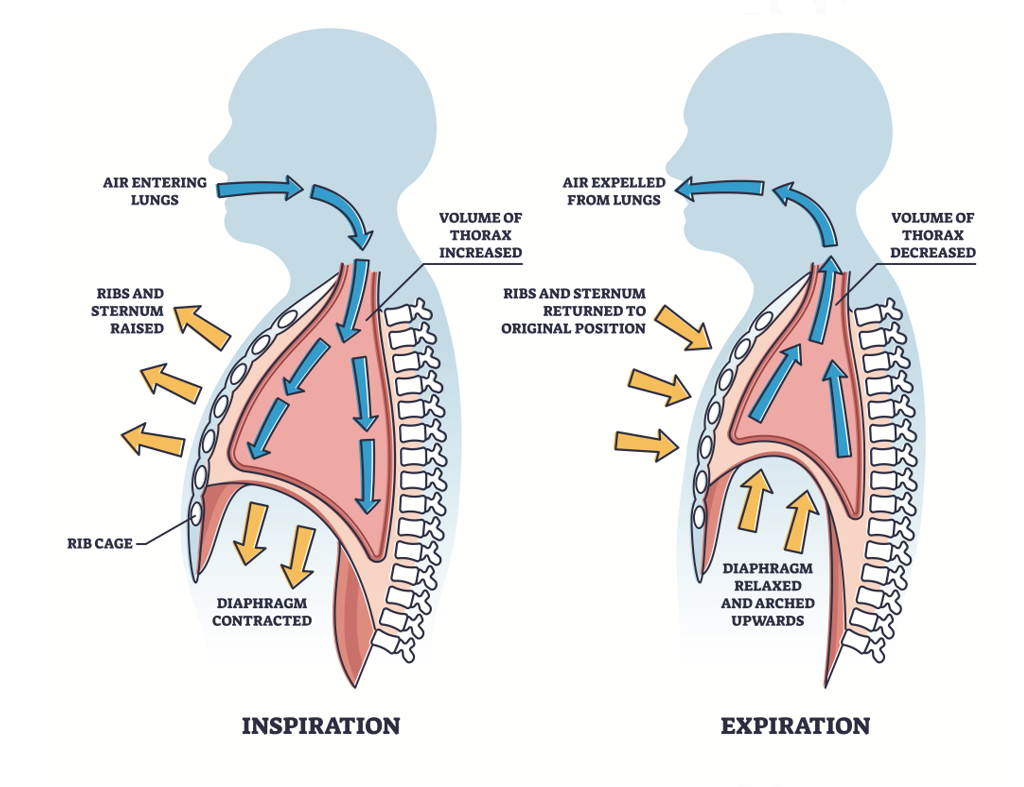
Most cases of shortness of breath are due to heart or lung diseases. The heart and lungs are involved in transporting oxygen into the tissues and eliminating carbon dioxide and problems with any of these processes affect breathing.
When you feel that you can't get enough air or when you feel like you're suffocating or running out of breath, it means you have a breathing problem.
Short breathing problems occur in people suffering from obesity or after some intense exercise. It can also happen that short breathing problems occur at extreme temperatures or if you are at high altitude.
Breathing problems for any other reason, are probably the sign of a medical problem and must be investigated
➢ lung problems such as asthma and chronic obstructive pulmonary disease (COPD)
➢ heart problems such as a cardiovascular disease or heart failure
➢ airway infections such as bronchitis, pneumonia, COVID-19, flu or even a cold
➢ a panic attack or anxiety
➢ allergic reactions
Some people may have short long-term breathing problems caused by:
➢ smoking
➢ obesity
➢ anemia
➢ heart failure or other heart problems
➢ lung cancer
If breathing problems are caused by a cold or a chest infection, other symptoms may also associate, such as cough, fever, sore throat, sneezing, stuffy nose.
If the breathing problem is related to the heart, it could also be associated with chest pain and nausea.
If the problem is asthma or chronic obstructive pulmonary disease (COPD), it is possible to associate a wheezing sound and the symptoms could worsen during exercise or during the night.
If the problem is a panic attack, it is possible to associate sweat and trembling, nausea and dizziness.
➢ avoiding pollution
➢ avoiding allergens
➢ weight loss in case of overweight/obesity
➢ quitting smoking, in the case of smokers
➢ certain medicines, with the correct observance of the medical recommendation
➢ physiotherapy and respiratory gymnastics
It is indicated in conditions such as: bronchitis of all forms, pneumonia, heart failure, chronic obstructive pulmonary diseases, diseases of the upper respiratory tract, stroke.
The benefits of respiratory gymnastics:
➢ improving breathing
➢ relieving chronic fatigue
➢ relieving headache and other diseases.
However, there are also a number of contraindications, mostly temporary, which is why a specialist should be consulted before starting the respiratory gymnastics program.

I always follow professional workflow and provide you the best service with reliable costs.



The waist-balance ratio refers to the ratio between the size of the waist circumference and that of the hips ...
Diabetes mellitus is a chronic condition that affects the way the body uses blood sugar (glucose). Glucose is essential ...
Why is it important to choose the right shoes? For the health of the feet, first of all ...