


2023-03-07 00:00:00
WHY DO OUR KNEES HURT?
The knee is one of the largest and most complex joints of the body, having a complex functionality. The knee joint must ...


Winter sports, skiing or snowboard, can become dangerous if the body is not properly prepared or trained or if the equipment is not adequate. Physical training before a holiday on the slope has an essential role in preventing injuries.
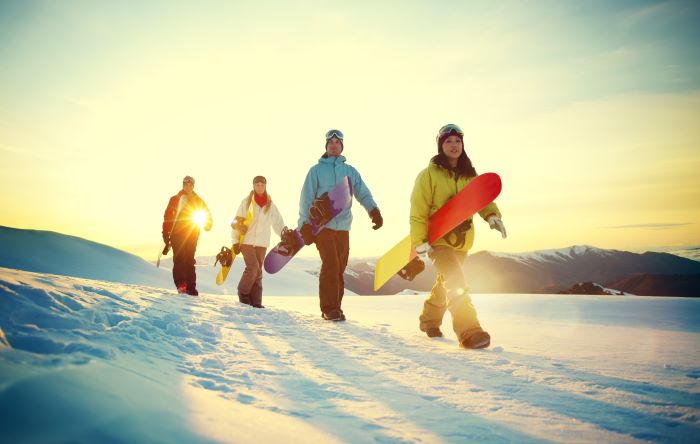
The most common injuries associated with winter sports are knee joint injuries, which being forced, can suffer sprawls or partial and/or complete ruptures. The most common mechanism of injury is the movement with the knee in hyperextension (forced stretching) and the sudden swivel movement. Rapid changes of direction, excessive pivoting, and sudden stopping are frequently associated with the anterior cruciate ligament injuries. If it is not diagnosed and treated in time, the rupture of the anterior cruciate ligament can lead in time to progressive arthrosis of the knee.
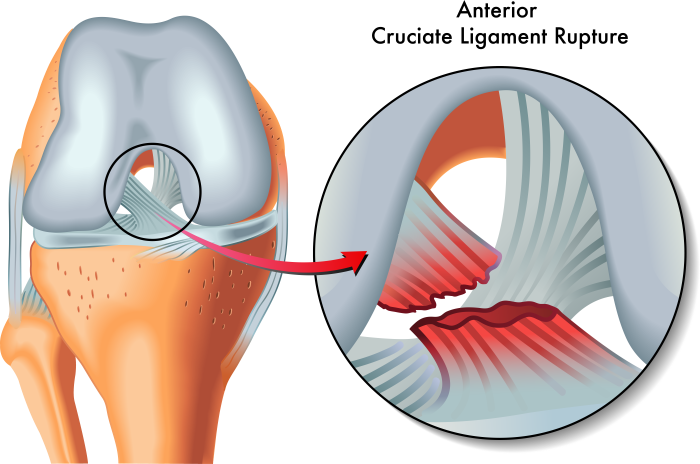
The meniscus may also suffer injuries as a result of a sudden twisting movement of the knee. Meniscus rupture is manifested with pain, stiffness and tumefaction (swelling of the knee), as well as with instability and difficulty in putting weight on the affected leg.
Injuries on the slope can be prevented by preparing the knee joints in advance.
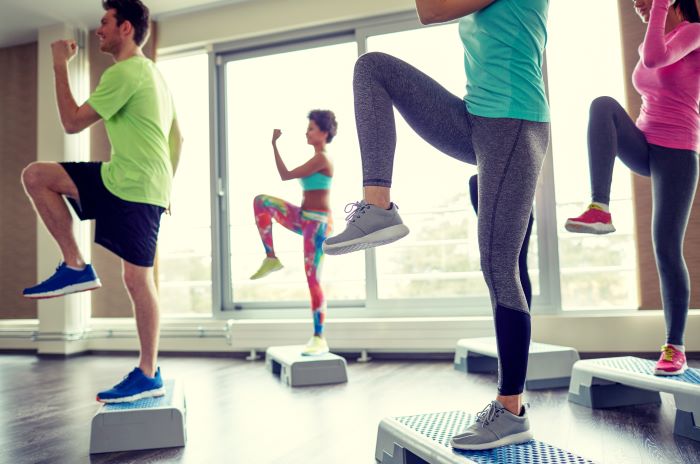
Make sure your knees are stable and strong enough to cope with sports activities. Thus, it is essential to prepare the knee joint, through special exercises aimed at toning the stabilizing muscles of the knee, namely: the quadriceps (located on the anterior part of the thigh), the hamstrings (the posterior part of the thigh), the abductor muscles and adductors (outer and inner thigh).
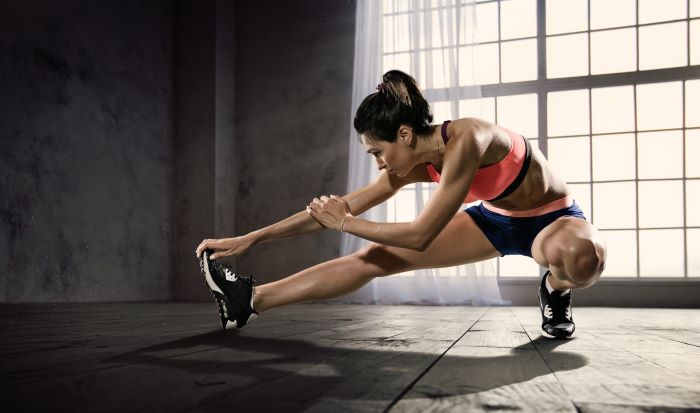
Stretching has an essential role in preventing injuries to the anterior cruciate ligament, when done before intense physical activities. Also, stretching exercises keep the knees flexible and mobile.

Personalized shoe pads help to equally distribute the forces around the knee, if a problem of biomechanics of the foot is found. When we think about the biomechanics of the foot, we think about its shape and size but also about rolling it on the ground, which can undergo changes throughout life.
A simple example is the flat feet condition, which, untreated, can cause chronic pain in the leg but also inflammation of the tendons. The problems related to the biomechanics of the foot, do not remain localized only at the level of the foot, but involve the entire kinematic chain of the lower limb, involve problems of the pelvis and implicitly of the spine.

Proper management of intense activities plays an important role for the health of the knee joint. For example, instead of carrying a large weight at once, divide the weight in two and carry it one at a time.
The knee, hip and lumbar spine are most affected by excess body weight. For the knee joint, excess weight can lead to the development of osteoarthritis, which is characterized by damage to the articular cartilage. There are 2 main ways in which excess kilograms can lead to the development of osteoarthritis of the knee.
The first way involves mechanical forces that act on the joint, each extra kilogram adding an additional weight of 3-4 kilograms on the knees and the second is based on the development of inflammation. Adipose tissue being an active tissue, it can stimulate the development of inflammation by producing and eliminating chemicals in the body.
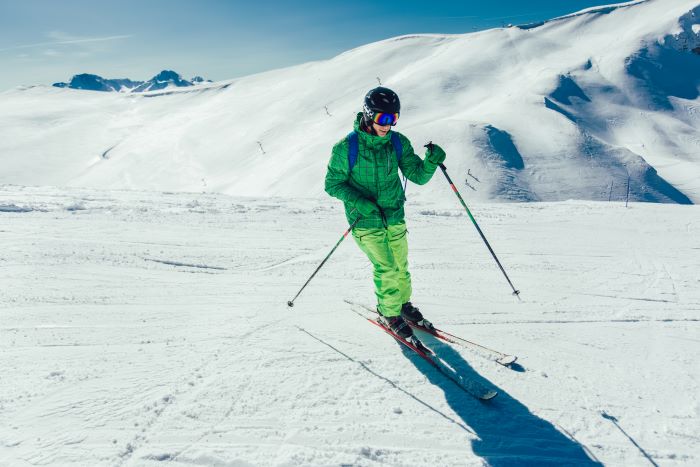
Rest and hydrate properly. Give up the last descents on the slope if you are tired.

I always follow professional workflow and provide you the best service with reliable costs.



The knee is one of the largest and most complex joints of the body, having a complex functionality. The knee joint must ...
Balance is a term frequently used by healthcare professionals, as there is no universally accepted definition of human ...
The lung is the main respiratory organ. In adult individuals, in 24 hours, the lungs are crossed by 10,000 liters of ...