

2023-03-23 00:00:00
METATARSALGIA
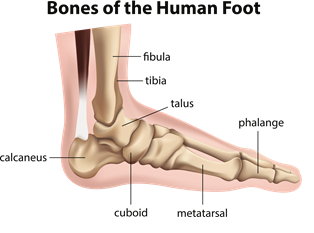
Metatarsalgia is the pain at the plantar level (sole of the foot) under the fingers, at the level of the metatarsal bones ...


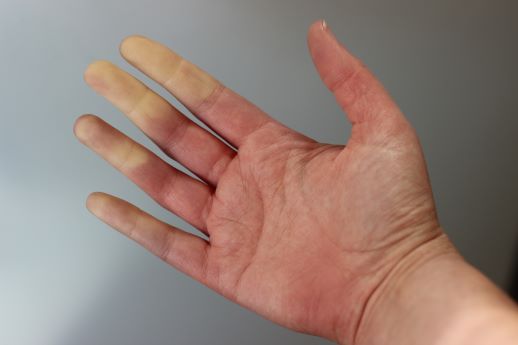
The Raynaud’s phenomenon causes some areas of the body, such as the fingers and toes, to feel numb and cold in response to low temperatures or stress. The main cause is the narrowing of the smaller arteries that supply blood to the skin, limiting blood flow to the affected areas.
Women are more likely than men to have Raynaud's phenomenon, being more common in people living in cold climates.
➢ cold fingers
➢ changes in skin color in response to cold or stress
➢ numbness, stinging sensation or stinging pain when warming up or relieving
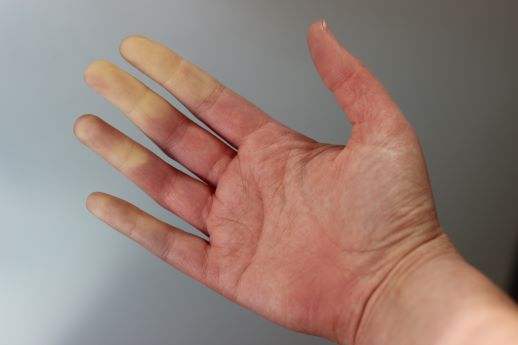
➢ during an attack, the affected areas of the skin, first of all become white. Then they often become blue and feel cold and numb. As circulation improves as a result of exposure to heat or the elimination of stress, the affected areas may turn red and tingling may occur or even swelling.
Although Raynaud's phenomenon most commonly affects the fingers and toes, it can also affect other areas of the body, such as the nose, lips and ears. After exposure to heat, the return of normal blood flow to the area can take up to 15 minutes.
The cause of Raynaud's attacks is incompletely known.
Mainly low temperatures or stress make the blood vessels in the hands or feet have an exaggerated response. More precisely, the arteries of the hands and feet become narrow and briefly limit the blood supply when exposed to cold or stress. Over time, these small arteries can easily thicken, further limiting blood flow.
Exposure to cold, such as putting your hands in cold water, taking a food out of the freezer or sitting in cold air, is probably the most common trigger. For some people, however, emotional stress can trigger an attack.
The primary Raynaud's phenomenon is also called Raynaud's disease. It is the most common form but also the lightest, most of them solving by themselves.
The secondary Raynaud's phenomenon is caused by a basic medical problem. Although the secondary Raynaud's phenomenon is less common than the primary form, it tends to be more serious, usually occurring around the age of 40, later than the primary Raynaud's phenomenon.
The basic diseases in which Raynaud's phenomenon manifests as a side effect are:
➢ Connective tissue diseases
Most people who have a rare disease that leads to hardening and scarring of the skin, also develop Raynaud's phenomenon. Other diseases that increase the risk of Raynaud include lupus, rheumatoid arthritis and Sjogren's syndrome.
➢ Diseases of the arteries
These include an accumulation of plaques in the blood vessels that nourish the heart or a disorder in which the blood vessels of the hands and feet become inflamed or a type of hypertension that affects the arteries of the lungs.
➢ Carpal tunnel syndrome
This condition involves pressure on a nerve in the hand, producing numbness and pain in the hand, as well as increased sensitivity of the hand at low temperatures.
➢ Repetitive action or vibration
Typing, playing the piano or performing repetitive movements for long periods of time, as well as using vibrating instruments (humer), can lead to hand injuries.
➢ Smoking
It can constrict blood vessels.
➢ Injuries of the hands or feet, such as wrist fracture or surgery or frostbite.
Treatment depends on severity as well as other associated conditions. In most cases, Raynaud's disease/phenomenon is not serious, but it can affect the quality of life.
The treatment aims:
➢ to reduce the number and severity of attacks
➢ preventing tissue damage
➢ treating the underlying disease or condition
Therapeutic options:
It is indicated in the more severe forms of the disease. Depending on the cause of the symptoms, medications that dilate blood vessels and increase blood flow are generally indicated. Botulinum toxin injections or local anesthetics may be administered in order to block the sympathetic nerves in the hands and/or feet (nerves responsible for narrowing the blood vessels in the skin).
Exercise is indicated for improving blood flow.
In the case of the secondary Raynaud's phenomenon, avoid outdoor exercise when the temperatures are low. Massage of the hands and feet also helps increase blood flow to them.
It is indicated in severe cases of Raynaud's phenomenon.
Surgery of the nerves (sympathetic nerves) in the hands and feet that control the opening and narrowing of the blood vessels in the skin. Surgery of these nerves interrupts their exaggerated responses.
➢ Avoid smoking, passively or actively, because it causes the skin temperature to drop by vasoconstriction (tightening) of blood vessels, which can lead to an attack.
➢ Stress management is important. Recognizing and avoiding stressful situations could help control the number of new attacks.
➢ Avoid changing temperatures quickly, especially the transition from hot to cold (rooms with air conditioning, frozen food areas of the stores)
➢ Appropriate equipment will be used on cold whether
➢ Gloves will be used to remove food from the freezer
➢ The car wil be heated beforehand, when there are low temperatures outside.

I always follow professional workflow and provide you the best service with reliable costs.



Metatarsalgia is the pain at the plantar level (sole of the foot) under the fingers, at the level of the metatarsal bones ...
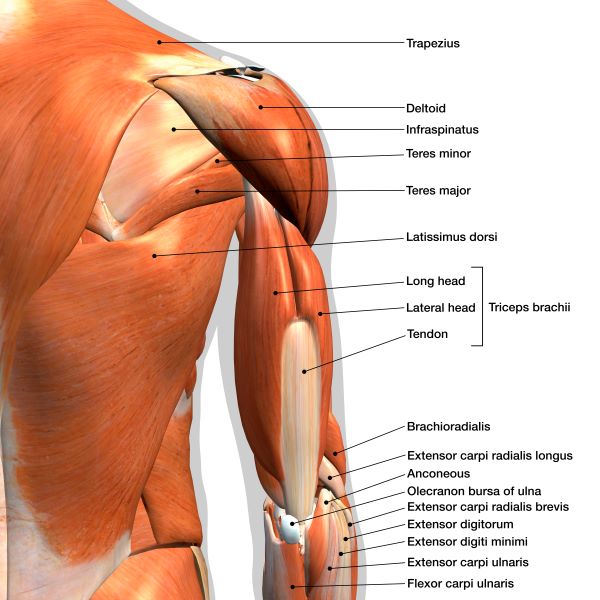
The triceps brachial muscle is a long and voluminous muscle, located on the posterior side of the arm, stretching ...
Bursita popliteala care reprezinta inflamarea bursei popliteale, este cauzata de un exces de lichid provenind ...