


2023-03-27 00:00:00
LOMBAGO
Lombago is a condition that manifests with pain in the muscles and joints of the lower back, more precisely in the ...


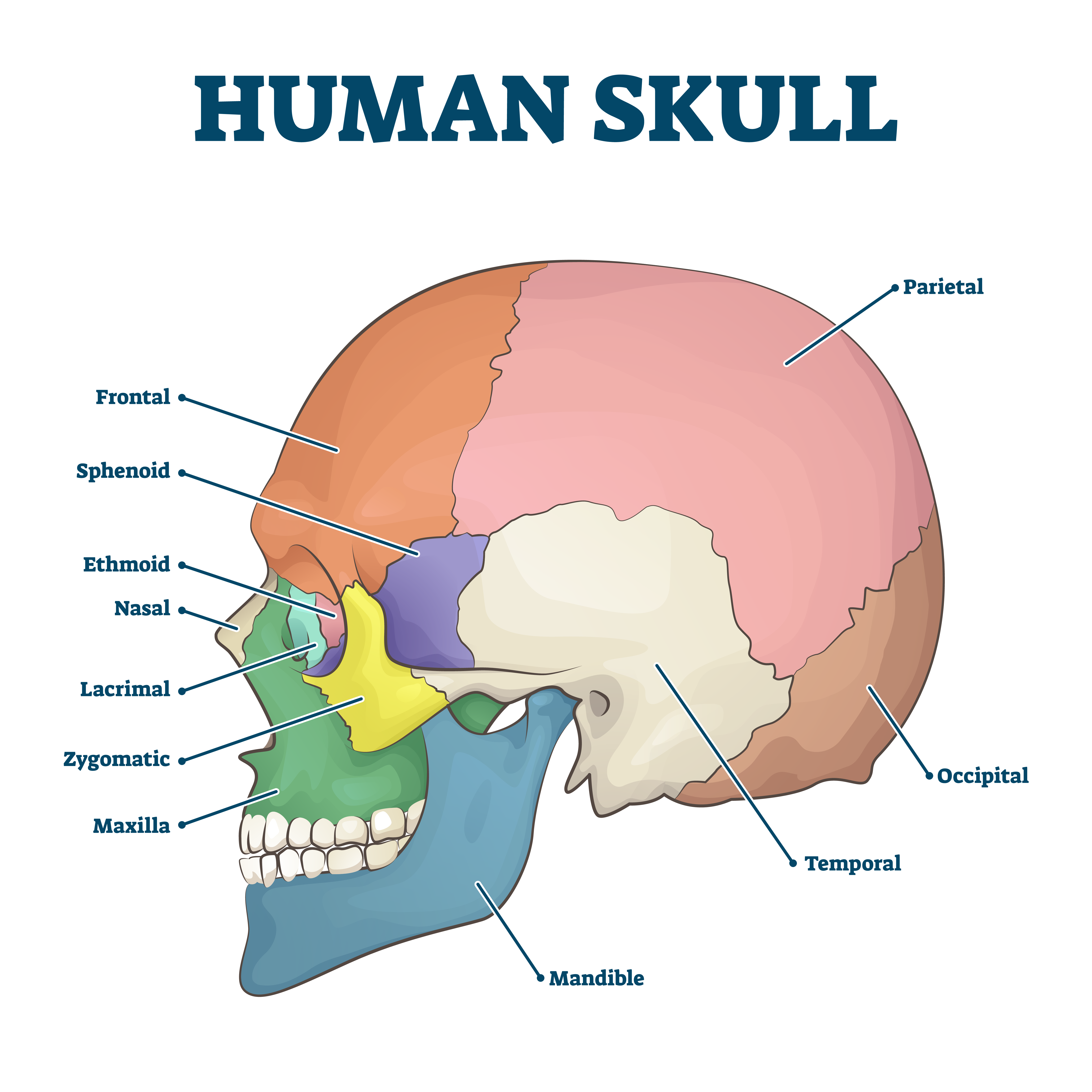
A skull fracture is a rupture of one or more of the eight bones that form the skull, the rupture that usually occurs as a result of severe trauma. If the force of impact is excessive, the bone can fracture at the site near the impact and cause damage to the underlying structures in the skull, such as membranes, blood vessels and even the brain.
The human skull is anatomically divided into two parts: the neurocranium, consisting of eight cranial bones that house and protect the brain and the facial skeleton (viscerocranium) composed of fourteen bones.
The term skull fracture usually refers to neurocranium fractures, while fractures of the facial portion of the skull are called facial fractures
➢ Headaches or dizziness
➢ Nausea or vomiting
➢ Bruises behind the ears or around the eyes
➢ Bleeding from the nose or ears
➢ Problems of movement of a part of the face
➢ Hearing problems such as ringing in the ears and/or hearing loss
➢ Difficulty in moving the neck/arms and/or legs
➢ Problems swallowing, dry mouth sensation or excessive salivation on one side of the mouth
➢ Uncontrollable eye movements or blurred vision or double.
An X-ray, a CT scan or an MRI scan are recommended to check if the bones of the skull are fractured but also to check the situation of the surrounding tissues.
The X-ray provides an image of the bone.
The MRI examination provides an image of the bone but also of the soft tissue, which allows the visualization of both the fracture of the skull and the brain.
But the best tool for diagnosis is CT scan (CT scan), which usually provides the clearest picture of the fracture and any brain damage, because it produces a 3-D image
Cranial fractures are not managed like other bone fractures. The treatment will depend on several factors such as: age, health status, medical history but also the type of fracture, its severity and any other brain injuries involved.
But most cranial fractures are not too painful, and the skull will heal in most of these cases.
Antibiotics will be administered if there is a risk of a bacterial infection, while anti-inflammatory drugs help reduce inflammation and pain. It may also be necessary to drain the cerebrospinal fluid (fluid that surrounds the brain and the spinal cord) to relieve the pressure around the brain.
Cervical collars can be used for certain periods of time, at least until the fracture is identified, to keep the head and neck in fixed positions.
In general, most cranial fractures do not need surgery, as long as there are no injuries associated to other structures, such as the brain. It heals over time, usually in six weeks.
But in some circumstances, there are characteristics about the fracture itself or the associated lesions that require surgery, in order to restore damaged bones and/or associated injuries
Most importantly, however, is that the fracture of the skull can often be prevented.
Wearing a helmet when riding a bicycle or when practicing other sports in which head injuries are possible, such as skiing or climbing, can prevent a skull fracture.

I always follow professional workflow and provide you the best service with reliable costs.



Lombago is a condition that manifests with pain in the muscles and joints of the lower back, more precisely in the ...
Tendinopathy is a condition of the tendons, whose role is to connect the muscles to the bones, often near a ...
Some studies show that up to 40% of people with COVID-19 are asymptomatic or have very mild symptoms ...