


2023-04-10 00:00:00
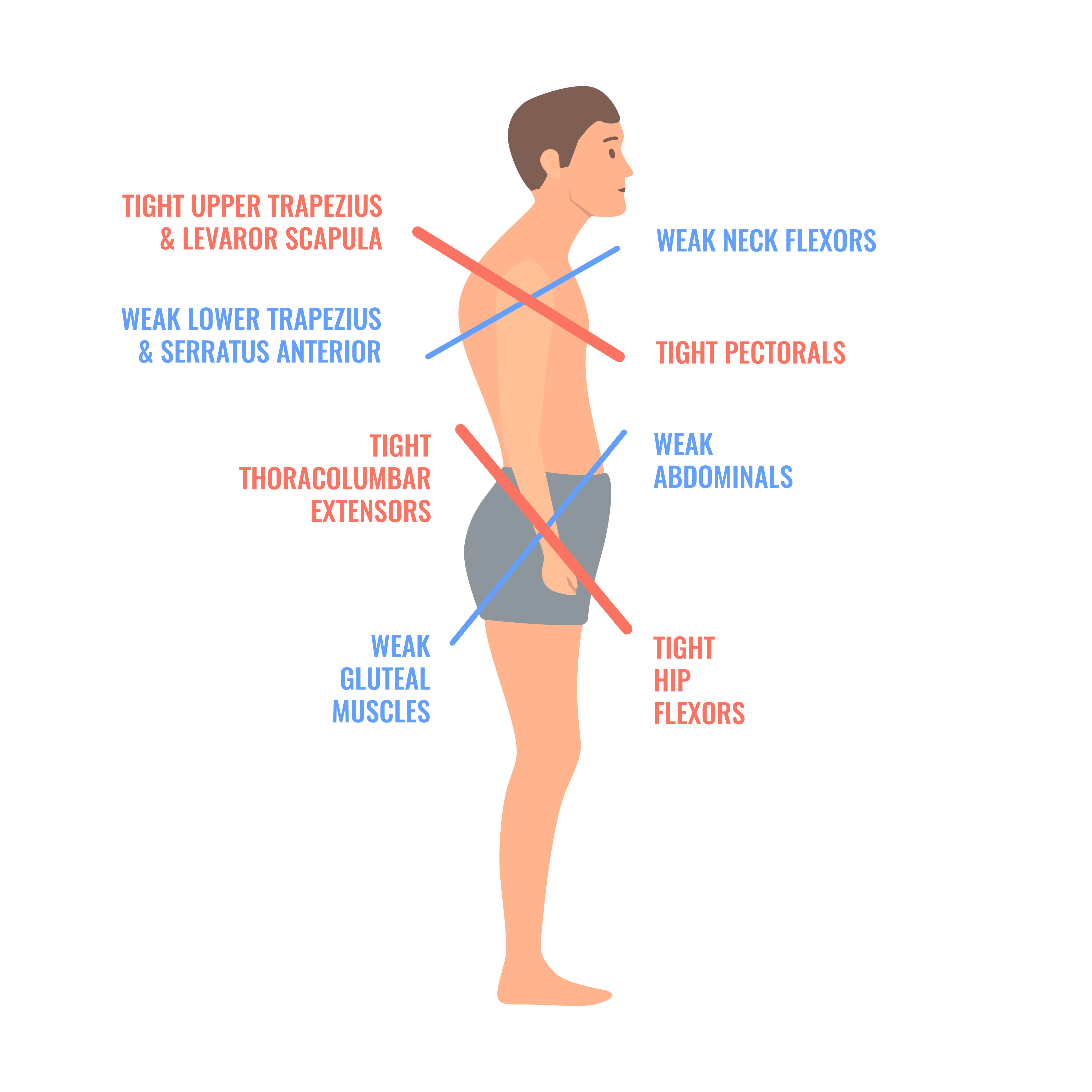
LOWER CROSSED SYNDROME
The lower crossed syndrome is a muscular imbalance in the lower body area (lumbar spine-pelvis-hip) ...


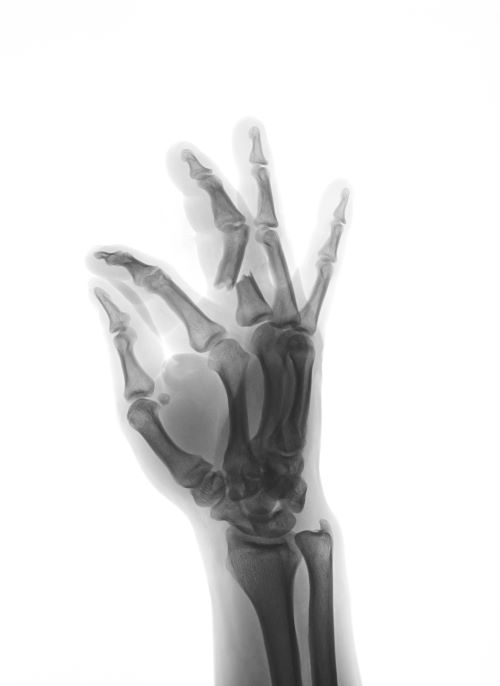
Fractures of the fingers phalanges usually occur as a result of direct blows to the hands. Most phalangeal fractures are treated with traditional methods (without surgery), but there can also be unstable fractures that require surgical treatment, especially to prevent stiffness or failure to properly join the bone fragments.
Phalangeal fractures can also be associated with other serious injuries, such as damage to the nail bed or sectioning of the tendons of the flexor muscles of the fingers.
Phalangeal fractures are quite common, both in sports practice, especially in sports that use the ball or in the case of skiing, as well as in various professional activities or in the elderly due to the increased risk of falling.
Also, people with bone or joint disorders, such as osteoporosis, have a higher risk of phalangeal fracture.

The hand consists of 27 bones, more precisely, 8 carpal bones, 5 metacarpal bones and 14 phalanges. In addition to these bones, the hand consists of a rich network of muscles and ligaments and is connected to the forearm by the wrist (carpal bones).
This unique arrangement gives the hand great freedom of movement, great flexibility, and precision.
The phalanx is a bone of the fingers or toes, 4 or 5 centimeters long, which allows the fingers to move. Each finger has three phalanges - distal, medial, and proximal (apart from the thumbs and big toes, which have only two phalanges).
The articulation of the proximal and medial phalanges forms the proximal interphalangeal joint (IF). The articulation of the middle and distal phalanges forms the distal interphalangeal joint (IF).
These are "hinge" type joints capable of making flexion-extension movements.
They are usually caused by a direct blow or crushing, which can also cause injuries to the nail bed (seen as a hematoma under the nail).
The integrity of the tendons of the flexor and extensor muscles of the fingers should be evaluated at any lesion of the distal phalanx.
The middle phalanx is more likely to fracture in the case of a direct blow to the dorsal side of the hand.
The proximal phalanx may fracture in the case of a direct force/blow, as well as in the case of rotation and forced hyperextension of the finger.
➢ Injuries of the flexor or extensor tendon, especially in the case of middle and distal phalangeal fractures. In this case, flexion dysfunction or extension of each phalanx also occurs.
➢ Soft tissue damage around the fractured phalanx, which suggests possible open fractures (with the exit of the bone through the skin)
➢ Injuries of the nail bed
The fractured phalanx will be protected with the help of an orthosis or plastered splints to avoid/limit movement, which helps healing. In the case of a stable basic fracture of the middle phalanx, immobilization in the splint in extension, for 2-3 weeks is recommended.
Applied topically, in sessions of 5-10 minutes, 3-5 times a day, ice significantly helps reduce pain and inflammation. Always put a thin towel between the ice and the area on which it is applied.
Lifting the hand, respectively of the fractured phalanx, on a pillow or support, above the level of the heart, helps reduce the hematoma (swelling) and facilitates circulation.
The active range of movement should be started after 2-3 weeks. The recovery program includes exercises to increase joint mobility and flexibility, but also exercises for toning the flexor and extensor muscles of the fingers. Total healing, painless and with total resumption of movement can take up to 6-8 weeks.
It is necessary in the following situations:
➢ Basic fracture of the middle phalanx (because this is the insertion site of the flexor tendon)
➢ Comminuted fractures (rupture of the phalanx in several places), rotational or intra-articular fractures (inside a joint)
➢ Displaced fractures (the phalanx breaks completely and the 2 bone ends move in relation to each other).
➢ After surgery, the physical therapy program started as soon as possible to prevent stiffness.
➢ While practicing a sport, such as skiing, appropriate equipment is worn.
➢ Protective equipment is important in the case of professional activities more exposed to the risk of fracture of the phalanges, as it happens in construction.

I always follow professional workflow and provide you the best service with reliable costs.



The lower crossed syndrome is a muscular imbalance in the lower body area (lumbar spine-pelvis-hip) ...
Lymphedema is a condition that causes edema (swelling) in the tissues of the body. It can affect any area of the ...
A skull fracture is a rupture of one or more of the eight bones that form the skull, the rupture that usually ...