


2023-03-29 00:00:00
TARSIAN TUNNEL SYNDROME
The tarsian tunnel syndrome is a condition that occurs when there is a high pressure on the nerves located on the ...


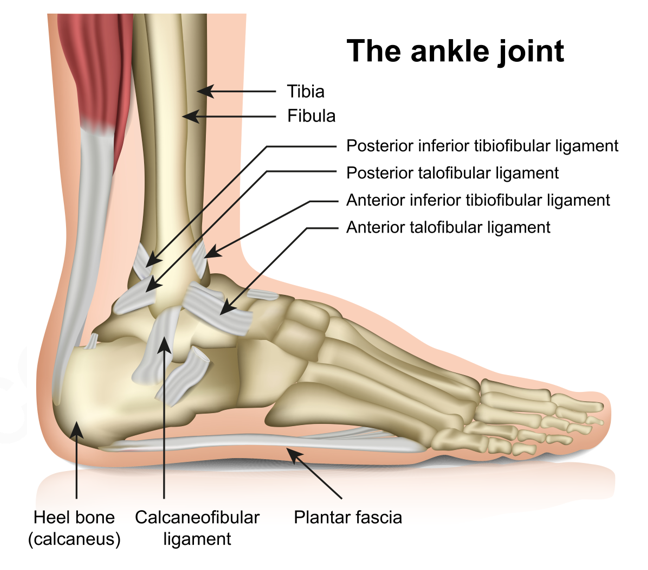
The tibia and the peroneum (also called the fibula) are the two long bones that make up the skeleton of the calf. The tibia is much thicker than the peroneum, being the main bone, along with the femur, which supports the weight of the body. The fibula supports the tibia and helps stabilize the moving ankle, this being possible because the fibula bone is an anchor point for different muscles and ligaments of the foot and ankle.

Fractures at calf level, especially those with displacement (when there is discontinuity of bones) usually involve both the tibia and the peroneum. The skin and subcutaneous tissue in the tibia are very thin and therefore fractures are often opened, that is, bones protrude through the skin.
Even in closed fractures, soft tissue is often damaged.
The tibia and the peroneum can usually be fractured during car accidents, falls from a height, sports accidents or domestic accidents.
Intense pain when touching the ground with the affected leg is the main symptom of fracture of the tibia and peroneum. It is associated with local edema and functional impotence of the calf but also with changes in the calf.
The therapeutic approach depends primarily on the severity of the lesion.
The alignment of the bones without surgical intervention, followed by the immobilization of the affected leg in a plastered device or a plastered splint for a period of time.
It is especially indicated in the case of open fractures, when the bones have punctured the skin. It is also necessary to administer drug treatment with pain relievers and antibiotics to reduce pain and prevent infection. After surgery, the lower limb will also be immobilized in plastered apparatus or with the help of a plaster splint.
After the period of immobilization, both in the case of unoperated fractures as well as in the case of surgery, the recovery program begins with physical therapy.
In the initial phases of the recovery program, work without loading, from lying and sitting positions (without putting weight or any other pressure on the affected lower limb).
Exercises in water or on the bike will also be done, while walking will be done with the help of crutches.
Along the way, the loading will be progressive.
The main objectives of the recovery process are aimed at walking, more precisely stability and balance in walking, without support, but also the possibility of maintaining one's own body weight on the affected lower limb.
It also aims at:
✓ reducing the stiffness acquired after the immobilization period
✓ increasing the joint mobility
✓ increasing the muscle tone
✓ preventing relapses and/or other injuries.

I always follow professional workflow and provide you the best service with reliable costs.



The tarsian tunnel syndrome is a condition that occurs when there is a high pressure on the nerves located on the ...
The 12 pairs of cranial nerves represent the routes through which the brain analyzes and controls the information ...
Lumbosciatica or sciatica, is a condition that manifests with pain in the lumbar spine, caused by irritation or compression ...