


2023-03-23 00:00:00
KNEE LUXATION
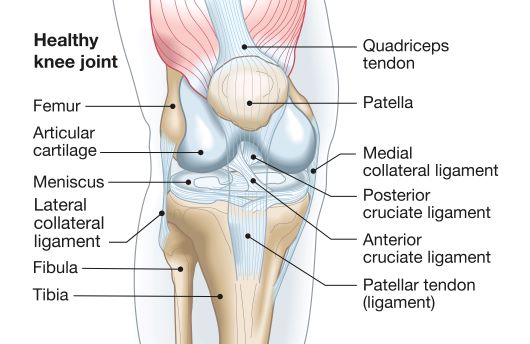
Knee luxation is a less frequent but extremely serious injury, in which the thigh bone (femur) and the calf bone (tibia) ...


The tibia is the most commonly fractured bone in the whole body and is one of the long bones of the body along with the humerus (arm bone), the femur (thigh bone) and the peroneum (the second bone of the calf, which is also called the fibula). The tibia and the femur are the main bones that support the weight of the body.
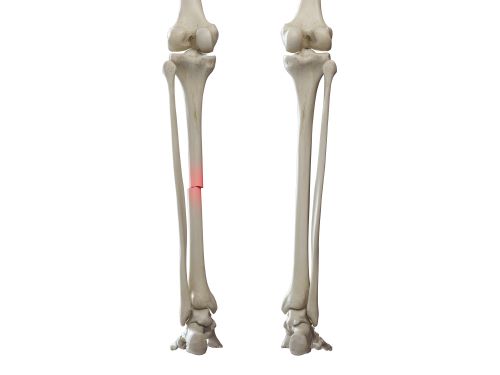
Fractures of the tibia can occur, either along the length of the bone, also called the fracture of the tibial shaft or in medical terms fracture of the bone diaphysis, either below the knee (fracture of the tibial plateau) or above the ankle. Fracture of the diaphysis, whether it is open (the broken bone comes out through the skin) or closed (the broken bone does not protrude to the surface of the skin) is usually associated with significant soft tissue damage.
It is the most common fracture that can occur in the tibia.
Fractures of the tibial diaphysis occur through a severe trauma to the leg, usually during the practice of a sport or in the case of an accident. There are also situations in which the tibia and the peroneum are fractured simultaneously.
1. Immobilization of the fractured area in a plaster splint for several weeks is indicated to ensure support and comfort. The splint is preferred instead of the classic gypsum, because, depending on the evolution of the healing, the splint can be slightly enlarged or tightened. As soon as the swelling retracts, the splint will be replaced with an orthosis that can be removed for local hygiene and for the physical therapy program.
2. Physical therapy, through exercise programs, is indicated from the early stages of the healing process, aiming at:
• Pain reduction
• Regaining the muscle strength lost during the period of immobilization
• Resumption of walking
• Resumption of sports activities.
When resuming walking, it is advisable to use crutches for a period of time, in order to protect/not load the affected leg.
The recovery process can take between 4 and 6 months and it is advisable to give the bone enough time to heal correctly.
3. Surgery is indicated in case of severe and complicated fractures. After the postoperative immobilization period, it is necessary to start the physical therapy program, observing the same principles listed above.
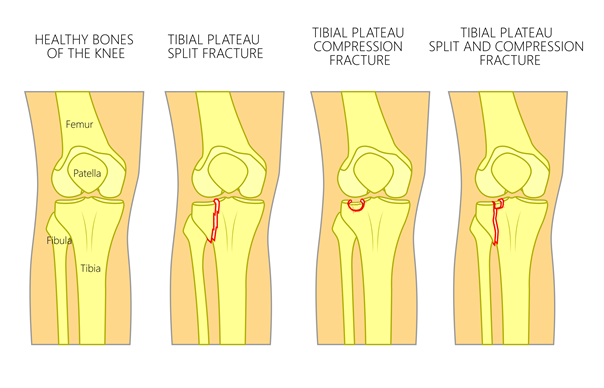
It’s a fracture that involves the proximal portion of the tibia, a portion that extends through the surface of the articular cartilage in the knee joint. When a fracture involves the surface of the articular cartilage, that joint will later be prone to the development of arthrosis. At the level of the knee joint, the tibial plateau is lined by the cartilage and above the cartilage is the meniscus. Both the meniscus and the articular cartilage and the tibial plateau are at risk of injury, but of all, the meniscus presents the greatest risk.
Fracture of the tibial plateau is manifested by swelling of the soft tissues around the knee and by the impossibility of the knee to bear the weight of the body. Also, the knee can be deformed due to the segmentation of the tibial plateau and can be associated with hemarthrosis (blood in the soft tissues and in the knee joint).
1. Immobilization in a plastered splint
Unlike the traditional gypsum cast, immobilization in a plastered splint is preferred because it can be slightly weakened or tightened, as the case may be, so that the knee does not swell more.
2. Wearing a functional orthosis, after removing the plastered splint, which also provides protection and stability, but which can be removed both to ensure hygiene and during the physical therapy program.
3. Physical therapy
To speed up the healing process, the knee should not be loaded in the early stages of recovery. Initially, exercises will be performed from sitting or lying position, exercises in water and on the bike and walking will be done with the help of crutches. Along the recovery process, loading will be progressive.
The objectives of the recovery program after a tibial plateau fracture are:
➢ facilitating walking
➢ reducing the pressure at the level of the tibia
➢ increasing the muscle tone lost during the immobilization period.
The entire recovery process can take between 3 and 6 months and the sports activity can be resumed after 6 months.
Surgery may be necessary in the case of complicated fractures.
➢ Be patient and give the bone the time it needs to heal properly.
➢ In periods of early recovery, leg movement is encouraged.
➢ While wearing the splint or orthosis, muscle strength may be lost in the affected area, which is why respecting the physical therapy program is important.
➢ As you start walking use a walking frame or crutches to protect your knee and tibia.
➢ Follow the advice of therapists both for full recovery and for the prevention of relapses.

I always follow professional workflow and provide you the best service with reliable costs.



Knee luxation is a less frequent but extremely serious injury, in which the thigh bone (femur) and the calf bone (tibia) ...
A sprain located on the wrist is an injury of the capsule and of the ligaments around the wrist joint, caused most of ...
Since the kneecap serves as a shield for the knee joint, it is quite at risk of injury. Direct fall on the knee, is one of the ...