



2023-03-23 00:00:00
TRIGEMINAL NEURALGIA
The 12 pairs of cranial nerves represent the routes through which the brain analyzes and controls the information ...


GOUT is a type of arthritis that causes a sudden pain, a burning sensation, swelling of the joint and stiffness. Most of the time it affects the big toe. Untreated properly, these symptoms can return over time and can affect other joints. Gout tends to be more common in men.
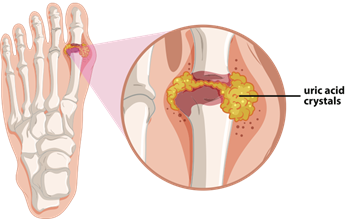
Gout is caused by a large amount of uric acid in the blood that leads to the formation of hard crystals in the joints. Not all people who have a high level of uric acid in the blood develop gout, most prone being overweight people, those who drink large amounts of alcohol but also those who consume a lot of fish or meat rich in chemicals. Certain medications may also predispose to the appearance of gout.
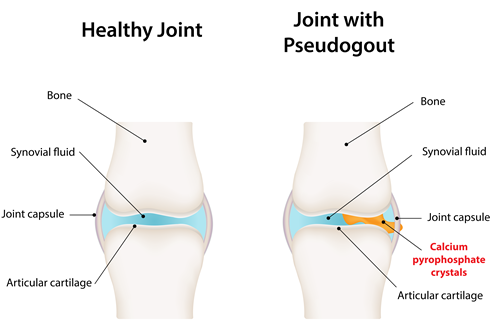
PSEUDOGOUT is a form of arthritis caused by deposits of crystals in and around the joints and is characterized by sudden, painful swelling of one or more joints. These episodes can last for days or weeks. The most commonly affected is the knee. Also called the calcium pyrophosphate deposition disease, the term "pseudogout" was invented because the manifestations are similar to those of gout. Both conditions are caused by crystal deposits within a joint, but the type of crystal differs.
The gout and pseudogout are two forms of crystalline arthropathies that manifest with pain, caused by joints of salt crystals, which are formed in the joints. The crystals end up irritating the joints and tendons around the joints, which causes the body to release chemicals that make the joints red and swollen. In gout, the monosodium urat is the salt produced while in pseudogout calcium pyrophosphate is found. Both conditions can end up affecting several joints, except for the hand.
In gout the first affected joint is that of the big toe and in pseudogout, the affected joints are those of the wrist and knee. Episodes of inflammation can recur over time and manifest with pain, redness and local heat.
1. Injectable corticosteroids
To stop the progression of a gout attack, a corticosteroid injection can help alleviate symptoms, especially if done within the first 24 hours.
2. Anti-inflammatory drugs
They help alleviate the pain that accompanies a gout attack. Avoid taking acetylsalicylic acid (aspirin) as it may increase the level of acid in the blood. To prevent further attacks, there are drugs that reduce uric acid that accumulates in the blood.
3. Diet
Is the best way to prevent an episode of gout because gout frequently affects men who drink large amounts of beer and other types of alcohol. Also, people who consume a lot of red meat tend to develop gout over time. Artificially sweetened fruit juices can increase uric acid in the blood. The consumption of chicken and fish will also be limited.
The key to the treatment is a varied diet, in which many fresh fruits and vegetables, sufficient water and complex carbohydrates such as whole grains are consumed
✓ Nutrition can help manage the symptoms of gout. Healthy foods help both weight control and provide the nutrients that the body needs.
✓ Avoid as much as possible seafood, meat, alcohol, especially beer.
✓ Drink an adequate amount of water.
The accumulation of uric acid, which causes an attack of gout, can cause other damage to the joints, which is why it must be managed correctly.

I always follow professional workflow and provide you the best service with reliable costs.



The 12 pairs of cranial nerves represent the routes through which the brain analyzes and controls the information ...
Coxa vara is a deformation of the hip, through which the angle between the gap and the body of the femur is reduced to
The shoulder is composed of several joints, tendons and muscles that come together to allow for a wide ...