

2023-03-13 00:00:00
DISTAL RADIUS FRACTURE
Radius is one of the two bones of the forearm and stretches from the elbow to the wrist. The distal part of it, at the ...


Lymphedema generally refers to swelling of the arms or legs. Sometimes both arms or legs can swell and is most commonly caused by the removal or damage of the lymph nodes as part of the treatment of oncological conditions.

Basically, lymphedema appears as a result of a blockage of the lymphatic system, which is part of the body's immune system, blockage that prevents lymphatic fluid from draining (eliminating) and the accumulation of fluid leads to swelling.
The lymphatic system is a network of ducts, glands and nodes that are located throughout the body and help fight infections and eliminate excess fluid.
The lymphatic system is extremely important for keeping the body healthy. Lymph circulates through our body, a liquid rich in proteins with a role in collecting bacteria, viruses and toxins. The lymphatic system transports this fluid and harmful substances through the lymphatic vessels and takes it to the lymph nodes. The waste (harmful substances) are then filtered by lymphocytes - cells to combat infections that are in the lymph nodes - and eventually eliminated from the body.
Lymphedema occurs when the lymphatic vessels cannot adequately drain (remove) lymphatic fluid.
Primary lymphedema, less common, caused by defective genes, which affect the development of the lymphatic system. It can develop at any age but occurs more frequently in childhood, adolescence or at the onset of adulthood.
The secondary lymphedema, the most common one, is caused by damage to the lymphatic system or by problems that keep the fluid from draining the lymphatic system. It occurs as a result of treatment for tumors, most often or as a result of infections of the lymph nodes or parasites that can restrict the flow of lymphatic fluid. Lymphedema related to infection occurs more frequently in tropical and subtropical regions. Other causes are related to injuries or inflammation of the lower limbs or simply due to lack of movement.
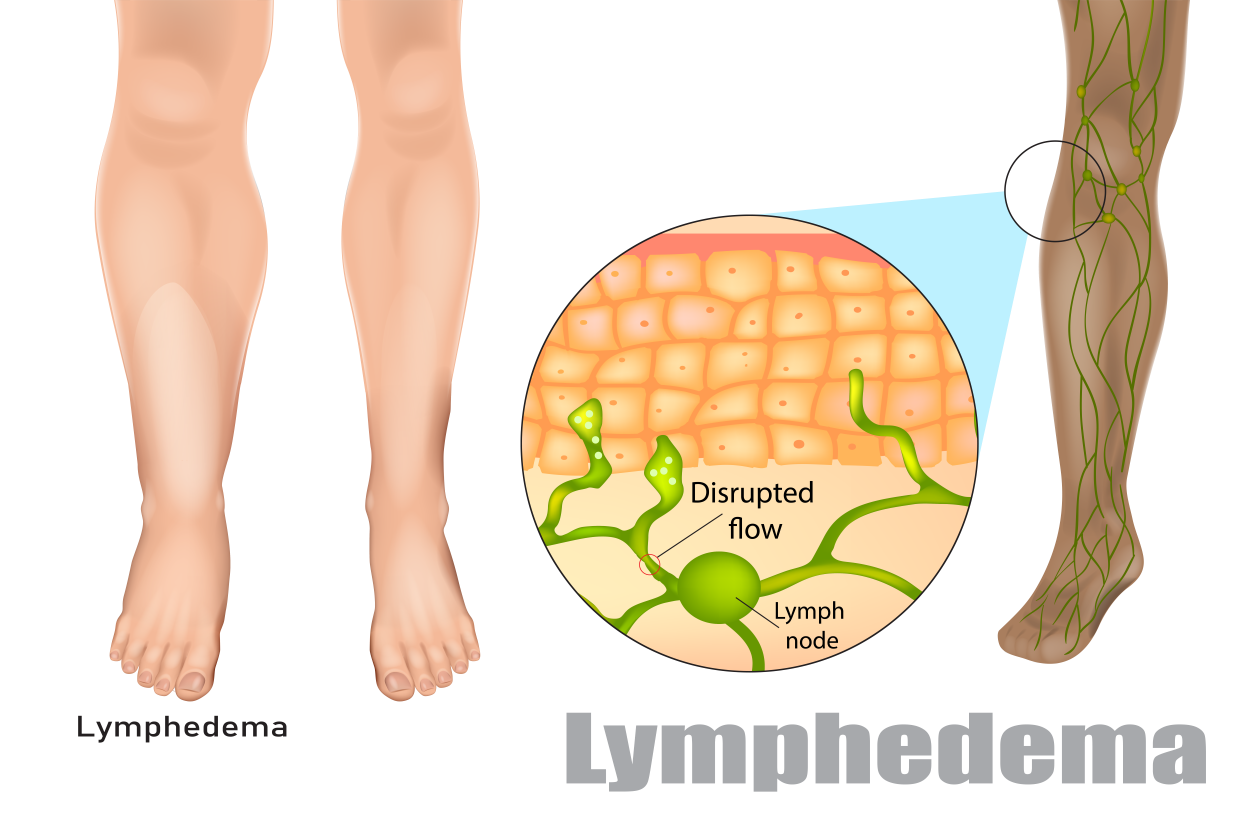
Signs and symptoms of lymphedema of the lower limbs include swelling of one side or the entire lower limb, including the fingers. The swelling caused by lymphedema ranges from mild, hardly visible changes to extreme changes that make it difficult to use that limb. Pain and discomfort as well as thickening of the skin and recurrent infections may be associated with lymphedema.
The treatment of lymphedema focuses on two objectives, namely the reduction of swelling and the control of pain, including:
1. Light exercises, under therapeutic guidance, encourage lymphatic drainage and help resume daily tasks. The exercises should not be demanding on the body and should focus on the slight contraction of the muscles of the lower limb. Walking and swimming help drainage of lymphatic fluid
2. Special massage, manual lymphatic drainage helps mobilizing the flow of lymphatic fluid. It is not indicated if there is a skin condition or blood clots or other active conditions in the lymphatic drainage area involved
3. The bandage of the foot, tighter at the level of the fingers, favors the return circulation of the liquid to the thorax
4. Wearing compression garments such as stockings specially designed to achieve compression of the lower limb and to favor the flow of lymphatic fluid
5. Pneumatic compression using a cuff connected to a pump, which intermittently inflates the cuff, putting pressure on the lower limb and removes lymphatic fluid.
6. In cases of severe lymphedema, surgery may be considered to remove excess tissue from the lower limb to reduce swelling. There are also newer techniques for surgery that might be appropriate, such as lympho-venous anastomosis or lymph node transplants.
➢ Light physical exercises, done regularly, daily, under the guidance of a physical therapist, help drain excess lymphatic fluid.

I always follow professional workflow and provide you the best service with reliable costs.



Radius is one of the two bones of the forearm and stretches from the elbow to the wrist. The distal part of it, at the ...
A meniscal cyst is a collection of joint fluid caused by a rupture in the cartilage of the meniscus, cartilage that protects ...
Lumbar spinal stenosis is a condition characterized either by the narrowing of the vertebral canal where the ...