


2023-03-27 00:00:00
UPPER LIMB LYMPHEDEMA
Lymphedema is a condition that causes edema (swelling) in the tissues of the body. It can affect any area of the ...


Luxation of the kneecap is an unusual and quite serious injury. It occurs when the patella has come out of the normal groove (the place where it is physiologically fixed). Often, these injuries are the direct result of a strong knee trauma, such as an auto accident or sports accident or a severe fall. Most of the time, this condition is often confused with a subluxation, but they are different.
The problem with the dislocation of the kneecap is that, once it appears, it tends to relapse constantly. This is due to the fact that the tissues surrounding the knee have been broken and as a result the joint has no stability, there is a risk that during sports activities, the dislocation or subluxation of the kneecap will relapse.
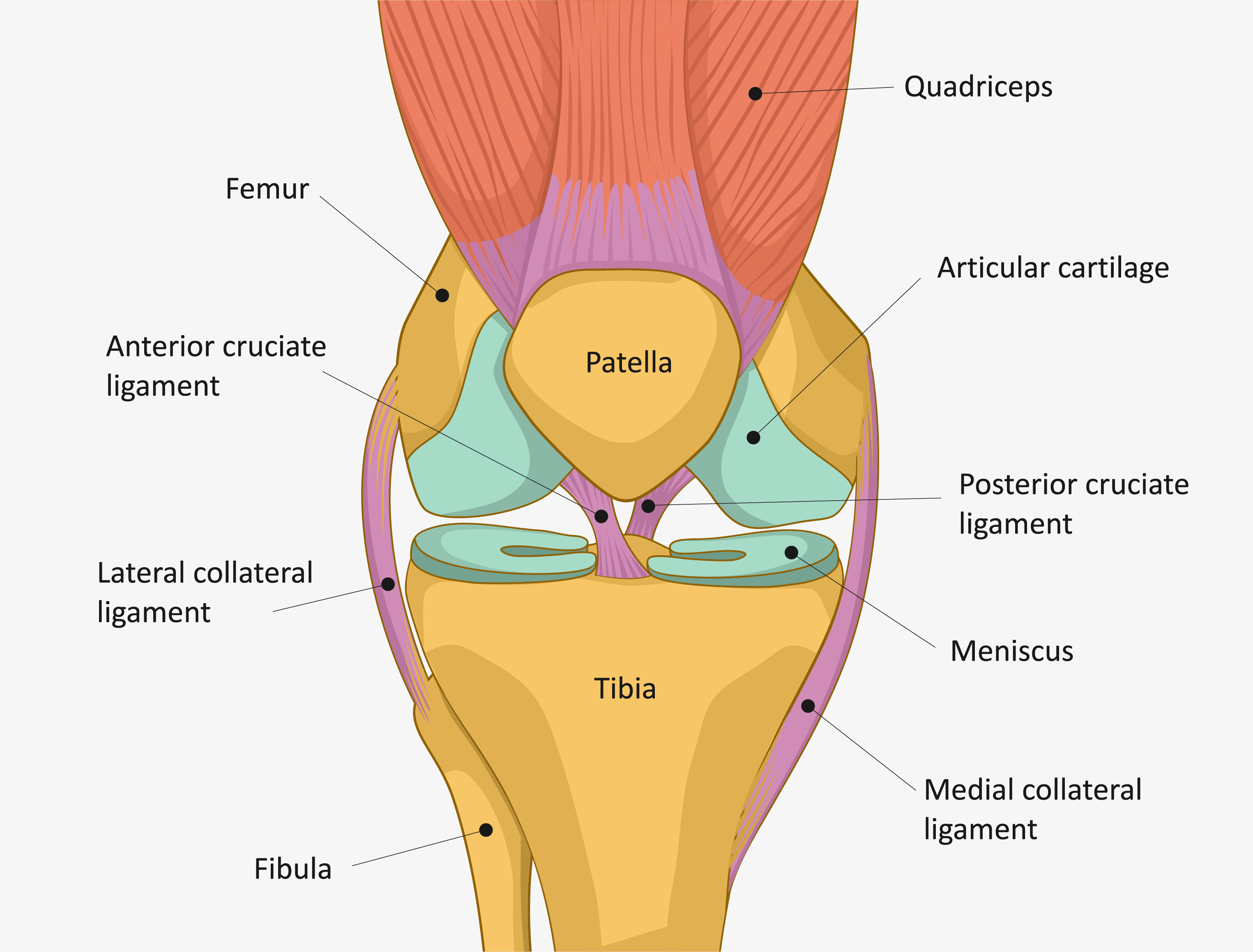
The kneecap, also known as the patella, is a short, round bone, flattened antero-posteriorly. It is a sesamoid bone, which means that the muscles attach to the bone and are part of the knee skeleton. It is located at the lower extremity of the femur and is developed in the thickness of the tendon of the quadriceps muscle.
The role of the kneecap is to protect the knee. Although the kneecap is not necessary when walking or bending the foot, it absorbs much of the pressure between the upper and lower parts of the foot. Climbing stairs and squatting can put additional pressure on both the kneecap and the knee joint.
Under the kneecap there are 2 surfaces covered with articular cartilage, which articulate with the knee, forming the patellar-femoral joint. This is the joint that can be sprained as the kneecap moves from its physiological groove, from the femur, outside the alignment with the knee.
Around the kneecap (patella) is the patella retinaculum, consisting of menisco-patellar fibers and femoro-patellar fibers which keep the kneecap fixed in its physiological place.
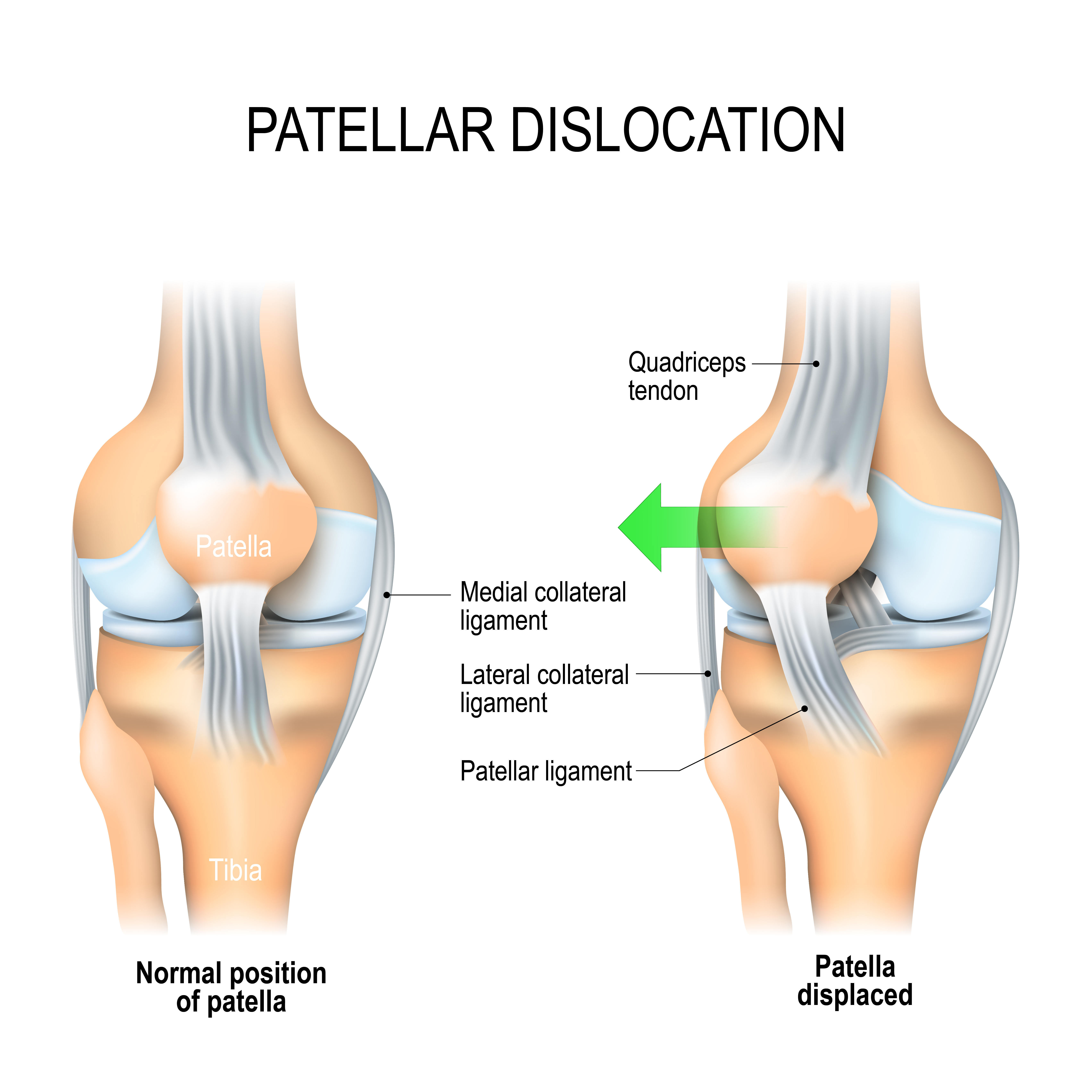
Most luxations (dislocations) of the kneecap occur to the side, so that the patella moves towards the outside part of the knee.
It is the key to the recovery program because specific physical exercises, combined with physiotherapy, help both in treating the dislocation of the kneecap, as well as in the prevention of relapses and/or subsequent subluxations.
Physical exercises will target the thigh muscles, especially the vast medial muscle (part of the quadriceps muscle), as toning this muscle helps keep the kneecap in the normal, physiological position, preventing its lateral slipping.
Physical therapy is necessary to regain the full range of movements in the knee joint (mobility) but also to restore the stability of the knee. Toning the muscles around the knee is important to avoid relapses.
It can be taken into account for the stabilization of the kneecap and/or of the associated lesions, if the recovery program through physical therapy does not have the expected results.
✓ Wearing a knee orthosis for several weeks after dislocation helps maintain joint stability.
✓ Avoid putting a lot of stress on your knees in the first weeks after the injury.
✓ Rest after injury is important. Keep the leg raised on a pillow or support to reduce the swelling in the knee but also to promote circulation.
✓ Topically applied ice helps reduce pain and inflammation.

I always follow professional workflow and provide you the best service with reliable costs.



Lymphedema is a condition that causes edema (swelling) in the tissues of the body. It can affect any area of the ...
Genu valgum is a non-alignment of the knees, more precisely the knees are oriented / brought inwards. A person ...
Hemiplegia is a condition caused by brain damage or spinal marrow injury that leads to paralysis on one side of the ...