


2023-03-29 00:00:00
SHOULDER IMPINGEMENT SYNDROME
Impingement syndrome occurs more frequently in a smaller shoulder joint, namely the acromio-clavicular joint ...


Overstrain or alignment problems of the knee structures can cause tensions and/or injuries, both of the quadriceps muscle and of its tendon, which manifests with pain, tumefaction (swelling) and weakness in the knee joint. Quadriceps tendinopathy refers to diseases of the tendon, conditions from which tendon inflammation has been excluded, according to the latest research.
Knee problems can affect people of all ages, but most affected are people involved in sports activities such as volleyball, football or running.
Quadriceps tendinopathy is a frequent sports injury, running and jumping predisposing the tendon to injuries and even to rupture.
However, people who do not do sports may also suffer from diseases of the quadriceps tendon, the causes being biomechanical problems, such as an imbalance when walking, foot problems or knee problems or even problems with the hip or lower back joint.
Also, quadriceps tendinopathy can be caused by the muscular imbalance between the quadriceps muscle and the muscles located on the posterior side of the thigh, one muscle group being more toned (usually the quadriceps) and another group being too weak (usually the muscles on the back of the thigh).
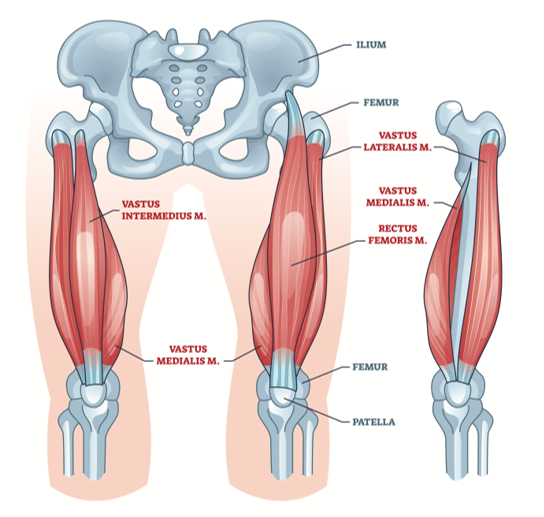
The quadriceps muscle is located on the anterior side of the thigh performing the functions of extension (straightening) of the knee and of flexing the thigh.
It consists of four distinct parts - the femoral right, the lateral vast, the medial vast and the intermediate vast.
In the upper part it is attached to the coxal bone and the femur bone and in the lower part it connects to the knee patella with the help of the quadriceps tendon.
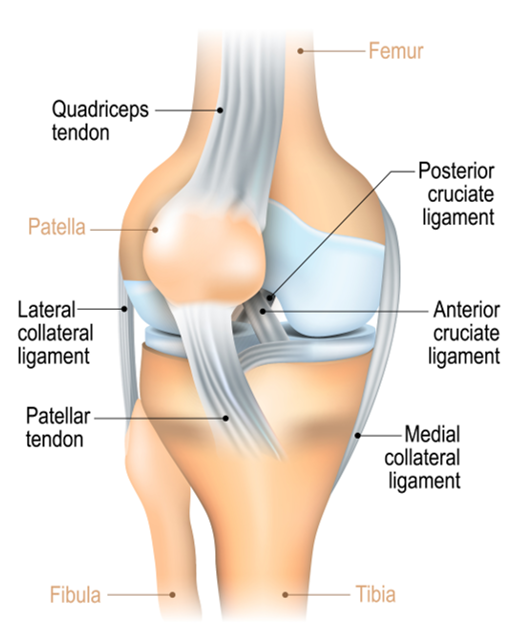
The quadriceps tendon should not be confused with the patellar tendon (patellar tendon) that is located below the patella, while the quadriceps tendon is above the patella.
When tendon injury occurs as a result of overstraining the knee and manifests with pain and inflammation, non-steroidal anti-inflammatory drugs (paracetamol, ibuprofen, diclofenac etc.) help control the symptoms. However, they are recommended for short periods of time, 7-10 days.
The alternation of ice and heat, applied topically, also provides anti-inflammatory and pain-relieving effects. Always put a thin towel between the ice/heat and the area on which it is applied.
Resting and avoiding activities that cause or accentuate pain is necessary.Once the pain is no longer present, one can slowly return to sports activities, but with reducing their frequency and/or intensity.
From the early stages of the disease, physical therapy can be started, helping, through specific exercise programs, to decrease pain and resume movement in the joint. The exercise programs aim at increasing flexibility (stretching exercises) but also toning the quadriceps muscle and the muscles located on the back of the thigh to control any muscle imbalances.
Procedures such as ultrasound, electrotherapy and laser, help to significantly control pain and swelling in the knee joint.
➢ While practicing a sport, the appropriate equipment will be worn, the shoes have an especially important role in the prevention of injuries.
➢ Weight loss, in case of overweight, helps to eliminate the pressure in the knees.
➢ Avoid overloading the muscles and/or joints while practicing a sport.
➢ Repeated tendon injuries can become chronic, especially in people aged between 30 and 50 years, a situation in which recovery can be lasting.

I always follow professional workflow and provide you the best service with reliable costs.



Impingement syndrome occurs more frequently in a smaller shoulder joint, namely the acromio-clavicular joint ...
Pelvic pain is localized in the lower abdomen and pelvis and can manifest itself as a symptom of diseases of the ...
Cervical pain occurs more often than we imagine. A lot of factors can cause cervical pain, but this is ...