

2023-03-29 00:00:00
VERTIGO OR DIZZINESS?
Most of the time vertigo and dizziness are mistaken and it is necessary to learn to differentiate them because ...


Although pregnancy seems like the perfect time for "laziness", fatigue can be felt more than usual and the back may hurt due to the extra weight.
Regular exercise can help manage physical changes during pregnancy (accumulated kilograms, swollen legs, etc.) and increase endurance for future challenges related to labor, childbirth and childcare. Thus, if the pregnancy is a normal one, without complications, doing nothing is not indicated.
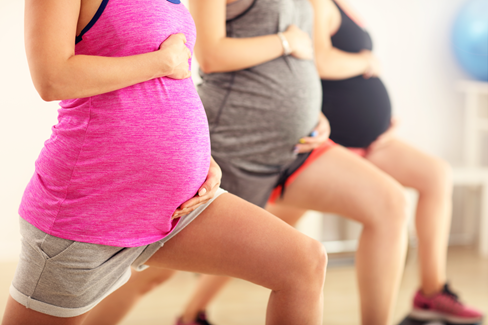
Exercise increases oxygen and blood flow to the muscles and is important for:
➢ Prevention of back pain
➢ Prevention of constipation (a common problem in pregnancy)
➢ More energy during the day and a quality sleep at night
➢ Preventing the accumulation of excess pounds
➢ Maintaining a good muscle tone
➢ A lower risk of developing gestational diabetes (transient metabolic disorder, a subtype of diabetes, which is established during pregnancy and, most of the time, it completely remits after birth)
➢ A lower risk of birth by cesarean section. If, however, cesarean section is necessary, the recovery of the body trained during pregnancy is faster.
For most pregnant women, at least 30 minutes of moderate-intensity exercise are recommended on most days, if not all days of the week.
In order to understand what moderate intensity exercises are, one should be able to have a conversation while performing them (if you cannot speak normally during the exercises probably the intensity is too high).
Walking is a good exercise for beginners with minimal impact on the joints.
Other types of good exercises are swimming, low-impact aerobics gymnastics and cycling on a stationary bike.
Muscle toning exercises are also indicated as long as relatively small weights are used.
If, instead, there are people who have exercised before pregnancy, one can continue the same level of exercise during pregnancy as long as no discomfort occurs and the doctor who follows the pregnancy gives his/her consent.
But regardless of the exercises one performs, it is important not to skip the warm up and stretching before the exercise program and cooling down and stretching after completion.
Warm-up consists of light physical exercises, such as: walking on the spot, rotating the arms and pelvis etc., to relax the muscles and to send to the legs as much oxygen-rich blood as possible.
For cooling down, the physical activity as well as the intensity are slowed down for 5-10 minutes.
The exercise program ends with stretching movements to prevent muscle contracture (straining).
It is also advisable to consume a lot of fluids during the practice of physical exercise, both for hydration and to avoid overheating.
Exercises or activities that are to be approached with caution or even avoided are:
➢ Scuba diving because it could expose your child to the risk of decompression sickness
➢ Contact sports such as ice hockey, football, basketball, and volleyball
➢ Activities that pose a high risk of falling – such as skiing, skating, riding
➢ Hiking or high-altitude exercises due to air scarcity. If, however, you go on a hike at a high altitude, the signs and symptoms caused by altitude, such as headaches, fatigue, and nausea, should be known. If these symptoms appear, quickly descend to a lower altitude and eventually seek medical attention.
➢ Exercises that expose to direct trauma of the abdomen, such as kickboxing
It is more likely to constantly practice physical exercises if they are included in the daily schedule and if the right exercises are chosen.
It is important to start with small steps, for example a daily walk through the neighborhood or climbing stairs instead of taking an elevator, is a good start
Finding a partner for physical activity helps with motivation because exercise can be more interesting if you communicate with a partner while doing it. This is also true after birth, both in terms of physical exercise and in activities related to the child.
To prevent monotony, fitness or yoga classes or courses can be attended, specially designed for pregnant women.
As important as exercise is, it’s also important to track the signs of problems. Thus, the exercises will be interrupted or be avoided in the following situations:
➢ vaginal bleeding
➢ dizziness
➢ cephalalgia (headache)
➢ shortness of breath before and/or during exercise
➢ chest pain
➢ painful uterine contractions that continue after rest
➢ fluid leakage from the vagina
➢ pain or swelling in the calves
➢ muscle weakness affecting the balance
➢ hypertension
➢ persistent vaginal bleeding in the second or third trimester of pregnancy
➢ problems with the placenta
➢ multiple pregnancy
➢ severe anemia
The most important advice regarding the practice of physical exercise during pregnancy is to listen to your body!

I always follow professional workflow and provide you the best service with reliable costs.



Most of the time vertigo and dizziness are mistaken and it is necessary to learn to differentiate them because ...
Physical exercise after childbirth represents one of the best things a woman can do for herself. Although it is quite ...
The term "herniated disc" has become quite popular when we are talking about spinal disorders. It is important to ...