


2023-03-02 00:00:00
FOODS AND DRINKS THAT ACCELERATE AGING
Aging is a natural process that cannot be stopped but can be delayed ...


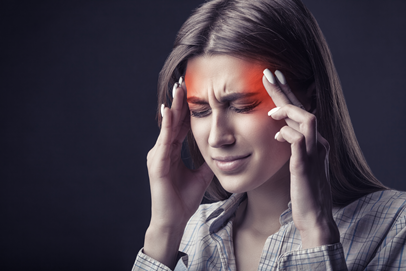
Migraine is a moderate or severe headache, felt as a pulsating pain, most often on one side of the head (unilaterally). Migraine varies from person to person and is often accompanied by a number of other symptoms, such as increased sensitivity to light and sound, sweating, nausea, vomiting and difficulty concentrating.
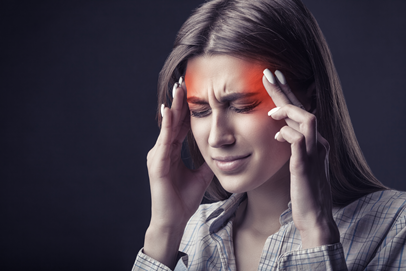
Migraines have many causes and trigger, in turn, different levels of disability, such as distorted vision or feelings of intense anxiety, accompanied in some people by mild headaches, while in other people it manifests with incapacitating headaches, which last for several days. Most people with migraine fall between these two extremes.
Some people (about 1 in 3 people) with migraine, have temporary alarming symptoms before the migraine (symptoms that announce that a migraine will follow) and that develop within 5 minutes and can last up to an hour. In other people these alarming symptoms can be followed only by a mild headache or no headache at all. These foreboding symptoms of migraine can be:
➢ vision problems, such as bright flashes, zigzag patterns or spots.
➢ numbness or tingling sensation – usually it starts in one of the arms and climbs until it affects the face, lips and tongue
➢ dizziness or lack of balance
➢ difficulty in speech
➢ loss of consciousness – much less often
Some of the most common causes of migraines are of a cervical nature (problems of the cervical spine) and especially problems of the blood vessels in the neck and head. This is also the reason why migraines are also called vascular headaches.
Alarming symptoms, announcing a migraine, are believed to be caused by a narrowing of these blood vessels, while the headache that follows, is considered to be the result of the subsequent expansion or dilation of these blood vessels.
The causes of these changes in blood vessels are not well known, but factors such as poor posture, bad sleep, neck pain (pain related to the cervical spine or neck muscles), hormonal changes (especially those associated with menstruation or the use of birth control pills) are incriminated, but also sudden changes in weather or temperature, as well as emotional factors.
It is considered that certain foods or additives, especially preservatives in processed meat, monosodium glutamate (MSG), caffeine, chocolate and cheese may also be responsible in some people for triggering migraines.
Other triggering causes include some medications, alcohol, strong odors and cigarette smoke.
Avoiding triggers can help prevent migraines.
Migraines often remain undiagnosed and untreated, which is not good.
It is important to keep a record of migraine episodes and how they have been managed in order to be able to present them to the doctor, as well as to modify the headaches or changes in headaches. Careful examination of symptoms allows the doctor to find the right treatment.
The occurrence of any of the following signs and symptoms that could indicate a more serious medical problem also requires an emergency visit to the doctor:
➢ sudden and severe headache
➢ headache with fever, stiff neck, confusion, convulsions, double vision, numbness or weakness in any part of the body, which could be a sign of a stroke
➢ headache after a head injury
➢ chronic headache (lasting for a long period of time) that worsens after coughing, physical exertion or a sudden movement.
When the cause of migraines is cervical in nature, manual therapy has significant results in treating the symptoms.
It involves decontracting massage and stretching techniques of the cervical spine that improve its mobility, as well as manipulation techniques that "regulate" the joints, improving their movement. Also, manual therapy helps improve blood circulation in the neck.
However, manual therapy does not help when migraines are triggered by emotional, hormonal factors or certain foods.
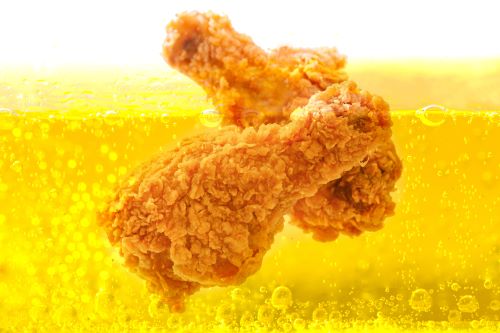
At the onset of symptoms, eating the right foods can be helpful. The diet should be balanced, poor in pro-inflammatory foods (processed meat, fried foods, etc.) and rich in anti-inflammatory foods (vegetables).
In the later stages of migraine, chewing and swallowing food often becomes difficult, foods that are easy to prepare and eat are recommended.
Taking medications such as ibuprofen, paracetamol, aspirin at the first signs of migraine is essential.
Drug treatment is no longer as effective if taken after the onset of migraine.
However, it is not recommended to take excess and long-term medications for migraine and especially for headaches.
Regular practice of cervical spine exercises and balance exercises can help reduce the frequency of migraines.
Acupuncture is the most commonly used alternative therapy. Reflexology, acupressure, massage and any other relaxation therapy can help reduce the frequency of migraines.

I always follow professional workflow and provide you the best service with reliable costs.



Aging is a natural process that cannot be stopped but can be delayed ...
The term "herniated disc" has become quite popular when we are talking about spinal disorders. It is important to ...
We use our joints every moment for simple things, such as dressing, walking, eating, communicating etc. A joint represents the ...