



2023-03-13 00:00:00
WHY DO OUR HANDS HURT?
The anatomy of the hand is complex, its integrity being absolutely essential for daily functioning. The hand consists of ...


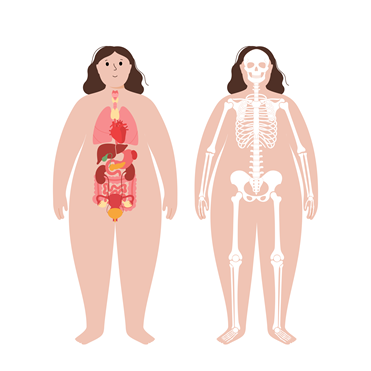
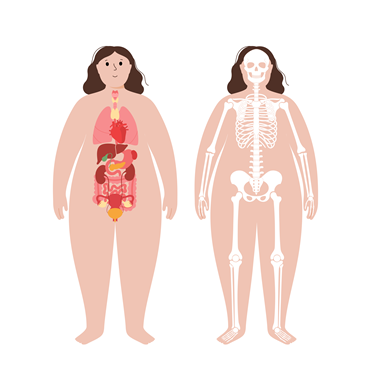
Obesity is a complex condition that involves an excessive amount of body fat.
Obesity is not only an aesthetic concern, it is a medical problem, which increases the risk of other diseases and health problems, such as heart disease, diabetes, high blood pressure.
Usually, obesity results from a combination of factors such as heredity, lifestyle, personal diet and physical activity.
The good news is that even modest weight loss can improve or prevent health problems associated with obesity. Dietary changes, increased physical activity and behavioral changes can help to decrease body weight.
Obesity is diagnosed when the body mass index (BMI) is 30 or higher. BMI is calculated by dividing the weight, expressed in kilograms by the square height, expressed in meters. Formula: Weight(kg)/[Height(m)]2
| BMI VALUE | HEALTH RISKS |
|---|---|
| Under 18,5 | High risk for health in the sense that the weight is far too low for optimal health |
| 18,5-24,9 | Low health risk, minimum |
| 25-29, 9 | Moderate health risk |
| 30-34,9 | High health risk. It is a warning, being necessary to change the diet |
| >35 | >Very high health risk. In this situation, weight significantly affects health and the excess fat must be eliminated. |
For most people, BMI provides a reasonable estimate of body fat. However, BMI does not directly measure body fat, so some people, such as athletes, may have a high BMI even if they do not have excess body fat.
Although there are genetic, behavioral, metabolic and hormonal influences on body weight, obesity occurs when more calories are consumed than are burned by exercise and normal daily activities. The body stores these excess calories as fat deposits. A number of causes and factors contribute to the development of obesity, such as:
Genes that are inherited from parents can affect the amount of body fat but also the place where that fat is distributed. Genetics can also play a role in the efficiency of the body by converting food into energy, in how the body regulates appetite and how the body burns calories during exercise. Obesity tends to run in the family, not only because of genes, but also because family members tend to have similar eating habits and physical activity.
An unhealthy, high-calorie diet, devoid of fruits and vegetables, in which fast food and high-calorie drinks predominate, as well as oversized portions, contributes to weight gain.
CALORIES
People can drink a lot of calories, without becoming aware and without feeling full, especially the calories from alcohol. Other high-calorie drinks are soft drinks with sugar, which can contribute to significant weight gain.
Through the sedentary lifestyle, more calories are easily accumulated than burned through exercise and daily routine activities. Prolonged sitting in front of the television, on the phone, computer, tablet, is a sedentary activity. The number of hours spent in front of a screen is associated with weight gain.
Among other factors that can influence obesity we mention: sleep, stress, microbiome (intestinal bacteria), previous diets.
Obesity can diminish the overall quality of life. Certain activities can no longer be done or are done with difficulty and may also have other implications, such as sexual problems, social isolation, shame, anxiety, lower results at work.
The risk of obesity and associated health problems can be prevented. Not surprisingly, the steps to prevent weight gain are the same as the steps to lose weight: daily exercise, a balanced diet, and, most importantly, long-term self-discipline. Thus:
1. physical exercise, performed regularly, at least 150-300 minutes of moderate to intense intensity activity, per week, are necessary to prevent or treat weight gain. Moderately-intense physical activities are fast walking and swimming.
2. A healthy diet, with low-calorie foods, rich in nutrients, such as fruits, vegetables and whole grains. Avoid saturated fats and limit sweets and alcohol. Three regular meals a day with limited snacking would be ideal. Very rarely, small amounts of foods rich in fat and calories can be accepted.
3. knowing and avoiding situations that cause uncontrolled eating is important. The foods and drinks consumed as well as the hunger/thirst symptoms and the situations that trigger them should ideally be recoreded in a journal. After a while, some models and strategies can be created regarding the control of eating behaviors.
4. monitoring body weight regularly. Weighing oneself at least once a week helps to control weight, monitor efforts and especially avoid obesity
THE MOST IMPORTANT ASPECT IN PREVENTING OR TREATING OBESITY IS CONSISTENCY AND SELF-DISCIPLINE. THE HELP OF PROFESSIONALS IN THE FIELD MAY BE NECESSARY.

I always follow professional workflow and provide you the best service with reliable costs.



The anatomy of the hand is complex, its integrity being absolutely essential for daily functioning. The hand consists of ...
We use our joints every moment for simple things, such as dressing, walking, eating, communicating etc. A joint represents the ...
Inflammation is a mechanism by which the body fights against the causative factors of the disease, while initiating ...