


2023-03-29 00:00:00
MAXIMUM HEART RATE
The maximum heart rate is defined as the highest number of beats per minute that the heart can pump under ...


Arthrogryposis is a term used to describe a variety of conditions that involve joint stiffness (contracture, stiffness) and abnormal deformation of the muscles. A contracture is a state in which the interval of movement of a joint is limited, it might not be possible to stretch or bend, totally or partially, the joint.
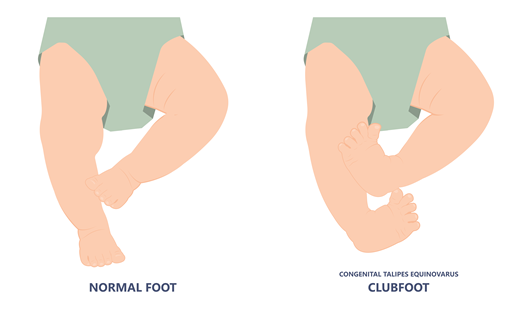
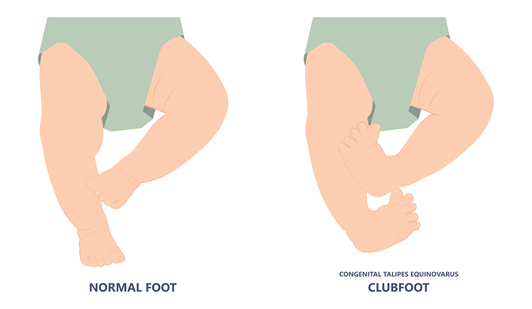
The cause is not well known, on the one hand it is considered to be related to intrauterine life, on the other hand, other possible causes would be neurological disorders or connective tissue disorders.
Symptoms in patients with arthrogryposis can vary greatly, involving both the upper and lower limbs.
Muscle contractions and joint stiffness are frequent and symmetrical, the most affected being the wrist, elbow and shoulder, at the level of the upper limbs.
In the lower limbs, affected are the hips, knees and ankles.
There is also a generalized muscle hypotonia (weakness) in the entire body. The curvatures of the spine may develop improperly in some patients.
There is no prenatal diagnostic test for arthrogryposis, the anomalies being detected during ultrasounds in pregnancy
A complete history and a medical examination are indicated for the evaluation of each patient. The diagnosis of arthrogryposis is conclusive when two or more joint contractures are identified in different areas of the body. Once diagnosed, genetic testing will likely be recommended to look for a cause that led to arthrogryposis.
There are several conservative and/or surgical procedures that will improve the range of movement and functions of the joints affected by the contractures.
They are indicated for improving the range of movement. Occupational therapy usually focuses on the upper extremities, while physical therapy focuses more on the lower extremities and gait. Water exercises are also useful for increasing muscle tone but also for increasing joint amplitude.
Occupational therapy and physical therapy should be started as early as possible, during childhood, the objectives of early therapy pursuing:
➢ minimizing joint stiffness
➢ improving the range of motion
➢ improving sensory development.
Gentle stretching exercises can help diminish contracture and improve movement. This will allow the child to be able to adopt optimal positions for the functionality of daily activities and will help him/her develop motor skills.
Family education is important both for a proper positioning of the child and for avoiding potentially harmful activities, which could accentuate the deformation.
In the case of developing flexion contractions of the elbow, wrist and/or fingers, which do not diminish with occupational therapy and physical therapy, surgical intervention can be performed to improve the range of movement. The wider the range of movement, the more independent children are in terms of nutrition, personal hygiene and other physical activities that require the use of upper limbs.
There are also useful surgical procedures for diminishing the contractions of the lower extremity, present in the knees and hips especially. These corrective surgeries help improve movement, increase the ability to support body weight, as well as gait.
In the case of accentuation of the curva tures of the spine, the treatment depends on the age of the child, the degree and flexibility of the curvature.
Physical therapy is recommended after surgery to maintain the degree of correction but also to increase mobility and joint amplitude.

I always follow professional workflow and provide you the best service with reliable costs.



The maximum heart rate is defined as the highest number of beats per minute that the heart can pump under ...
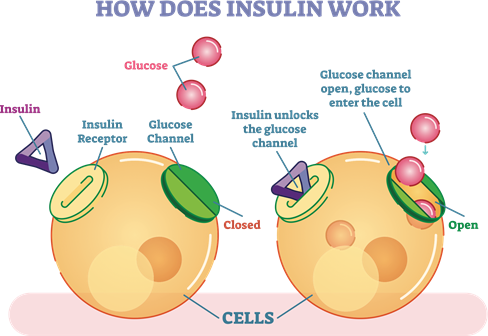
Diabetes mellitus is a chronic condition that affects the way the body uses blood sugar (glucose). Glucose is essential for ...
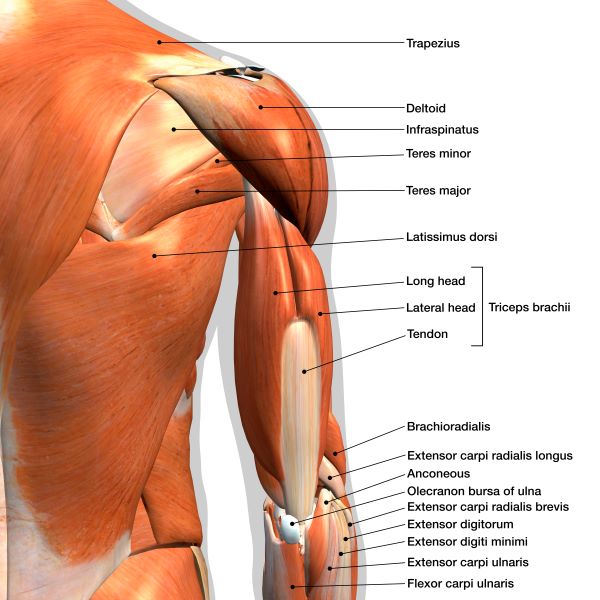
The triceps brachial muscle is a long and voluminous muscle, located on the posterior side of the arm, stretching ...