


2023-03-23 00:00:00
KNEE LUXATION
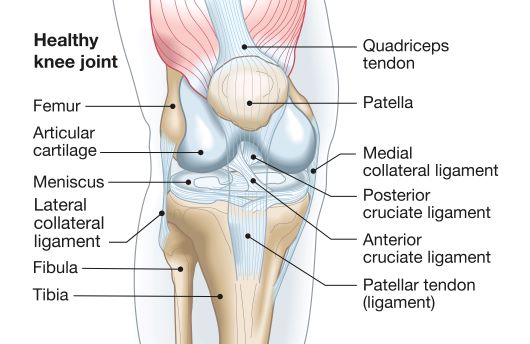
Knee luxation is a less frequent but extremely serious injury, in which the thigh bone (femur) and the calf bone (tibia) ...


The fracture of the sternum, most often is caused by trauma or high forces applied to the anterior wall of the chest. In 60-90% of cases, the fracture of the sternum occurs as a direct consequence of car accidents. This is usually the result of hitting the chest against the steering wheel, especially in the case of older vehicles where the airbag is not triggered.
Fracture of the sternum is more common in men, especially in older people, this being due to the less elastic chest wall of older people compared to young people. Younger people are, on the other hand, more likely to suffer intrathoracic injuries.
Sports injuries and falls can also cause fractures of the sternum.
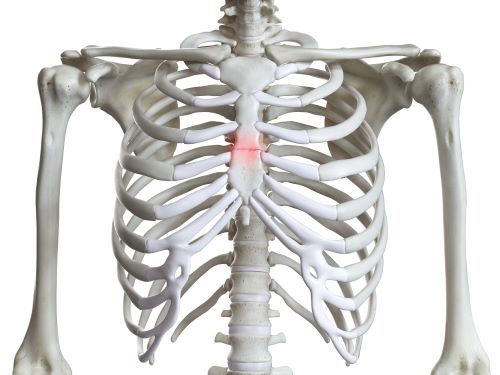
The sternum or chest bone is a flat and elongated bone, located in the anterior part of the chest. On the skeleton it is placed between the two clavicles and between the first seven pairs of ribs.
The sternum is composed of three parts:
➢ An upper part, called manubrium
➢ A middle part, called the body
➢ A lower part, called the xiphoid process.
The sternum is articulated with the 2 clavicles, forming the sternoclavicular joints and with the cartilages of the first 7 pairs of ribs, forming the sternocostal joints.
➢ soft tissue injuries (pneumothorax, cardiac or lung contusion, lesions of the diaphragm or abdomen)
➢ chest wall injuries (rib fractures)
➢ spinal injuries.
Fracture of the sternum, either isolated (without other injuries) or associated with other injuries, is most often manifested with chest pain, pain that is aggravated by respiratory movements and coughing.
If the fracture is not displaced, the treatment is traditional (without surgery) and includes:
Avoid or limit the movements that cause or accentuate the pain for 4-6 weeks. Lifting, pushing, pulling, lifting over the head objects heavier than 2-3 kilograms, as well as activities that put pressure on the sternum, especially sleeping face down and applying direct pressure on the chest, should be avoided until complete healing of the fracture.
Local application of heat or ice can provide temporary relief of discomfort, in combination with pain relief medications.
Once the fracture of the sternum has been confirmed as not displaced, the recovery program through physical therapy can be started.
The recovery program aims, first of all, to reduce pain, prevent complications and restore respiratory function, but also to return to normal activities. Thus, deep breathing exercises and stretching exercises of the shoulder and torso muscles should be a priority, each with their own benefits.
Deep breathing exercises are necessary for:
➢ decreasing the risk of lung complications
➢ full enlargement of the lungs
➢ relieving muscle spasms
➢ mobilizing pulmonary secretions.
If performing these deep breathing exercises is painful, some analgesic drugs (against pain) will be administered in advance.
Stretching exercises of the shoulders and trunk are necessary to:
➢ relieve pain and discomfort
➢ to increase mobility and range of movement in the chest and shoulders
➢ improving posture (some people tend to adopt deficient postures, especially to avoid pain)
➢ preventing stiffness and increasing muscle flexibility.
It is necessary in the case of more severe sternum fractures or when other surrounding anatomical structures (nerves, blood vessels, etc.) have been damaged.
➢ Once the fracture has healed, the return to normal activities is done gradually
➢ If the pain or other symptoms reappear, they should not be ignored because they can cause additional damage and can slow down or even prevent the complete healing of the fracture
➢ Exercise programs will continue, both to prevent stiffness, improve posture and to increase muscle strength
➢ Returning to contact sports or ball sports may initially require the wearing of orthopedic protective devices at chest level.

I always follow professional workflow and provide you the best service with reliable costs.



Knee luxation is a less frequent but extremely serious injury, in which the thigh bone (femur) and the calf bone (tibia) ...
The patellar tendon, which connects the patella (kneecap) to the tibia, along with the muscles located in the ...
Ankle sprain is one of the most common orthopedic conditions. It usually occurs suddenly, as a result of a twisting ...