

2023-03-29 00:00:00
CERVICAL SPONDYLOSIS
Cervical pain occurs more often than we imagine. A lot of factors can cause cervical pain, but this is ...


Stiff neck is a condition in which the neck is painful, tilted and twisted. The head is often tilted laterally towards one shoulder, the chin is directed to the other shoulder.
There are situations in which the disease is present at birth, as well as situations in which it is caused by the deterioration of the blood supply to the neck muscles.
Stiff neck can also occur in adults and children.
Usually, in children it occurs due to trauma during childbirth and in adults it often occurs from sleeping with the neck in a twisted position.
There are also situations in which the stiff neck is the result of a minor illness or an accident, a situation in which it is only temporarily and entirely treatable

The cervical spine is composed of seven vertebrae that stretch from the base of the skull to the upper part of the thoracic spine.
The first 2 cervical vertebrae are different in shape and function, the first also called atlas, on which the skull is supported, allows the forward-backward movement of the head. The second cervical vertebra, also called axis, allows rotational movement. The other 5 vertebrae support the weight of the head.
Around all the vertebras there are ligaments and muscles that ensure stability and movement, as well as blood vessels and nerves. Nerves start from the base of the skull and transmit information between the brain and the body. Between the vertebrae there are the intervertebral discs, with a flat shape, with the role of cushioning and maintaining the flexibility of the cervical spine. Inside the spine is the spinal marrow.
Virtually all vertebral structures work together to protect the spinal marrow and provide stability and flexibility to the head.
In children, the stiff neck can develop in intrauterine life due to the tilted position of the head or it can be the result of trauma during the birth process. The condition can also develop due to nervous system injuries or muscle injuries.
Most of the time, however, the cause of the disease is not known.
It can affect walking in a straight line and often the ability to drive.
Congenital forms of the condition (present at birth) can be significantly improved by stretching the neck muscles, especially if treatment begins in the first months after birth.
Topically applied heat, in sessions of 5-10 minutes 3-5 times a day, helps relax the tense muscles, allowing a better movement of the neck. Always put a thin towel between the heat and the area on which it is applied so as not to irritate the skin.
In order to restore movement at the level of the neck and to correct the muscle deficiency, specific physical exercises will be practiced. In young children, physical exercises will be done passively by a physical therapist.
Pain relievers and muscle relaxants help reduce pain and relax the muscles. The more relaxed the muscles are, the easier the exercise will be to do. Drug treatment, however, is recommended only for short periods of time, 7-10 days.
Osteopaths and chiropractors often treat complicated cases of twisted neck. In children, a gentler treatment is used to release muscle spasms and in adults a manipulation (osteopathy technique) can be used to correct deficiency.
➢ Congenital stiff neck (present at birth), as well as more severe forms of it, will often cause long-term complications, indicated by the evaluation of the condition by a doctor or physical therapist and the early start of treatment.
➢ Gentle mobility exercises recommended by a physical therapist will be performed to improve the mobility of the neck joints, in order to prevent possible relapses.

I always follow professional workflow and provide you the best service with reliable costs.



Cervical pain occurs more often than we imagine. A lot of factors can cause cervical pain, but this is ...
Radius is one of the two bones of the forearm and stretches from the elbow to the wrist. The distal part of it, at the ...
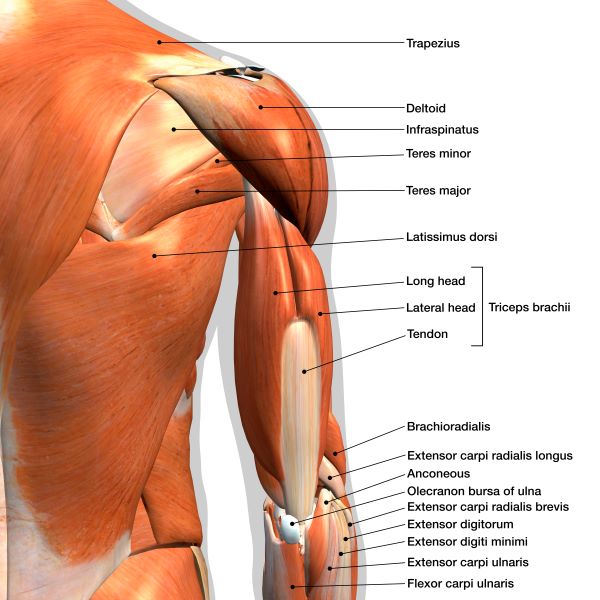
The triceps brachial muscle is a long and voluminous muscle, located on the posterior side of the arm, stretching ...