


2023-03-29 00:00:00
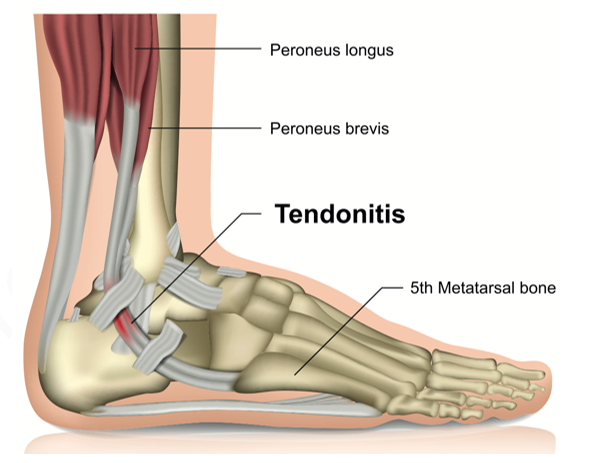
PERONEAL TENDINITIS
Peroneal tendinitis is a common cause of pains that occur on the side of the ankle, due to injuries or damage to ...


The vertebral spine has 4 physiological curvatures: cervical lordosis, thoracic kyphosis, lumbar lordosis and sacro-coccygeal curvature. These curvatures increase the strength and elasticity of the spine, maintaining the normal position of the body.
In flat back syndrome, the normal curvature of the lumbar spine (lumbar lordosis) is reduced, the direct consequence being the displacement of the body's center of gravity and the difficulty of standing for long periods of time. In order to maintain the orthostatic position (standing) for longer, a person with a flat back will contract more the back muscles and flex the hips and knees. Also, the body will compensate for the reduced lumbar curvature by bending the head and neck forward, which can cause pain in the neck, shoulders and upper back. Balance is also affected and daily activities can be hampered.

A variety of conditions can cause flat back syndrome, such as:
➢ Ankylosing spondylitis (a type of inflammatory arthritis of the spine)
➢ Compression fractures of the vertebrae, caused most often by osteoporosis
➢ Degenerative disease of the intervertebral disc
➢ Consequence of surgery
➢ Congenital (present at birth)
In order to establish the diagnosis, both a physical examination and a musculoskeletal examination, as well as the evaluation of the gait are necessary, which may have changed to compensate for the loss of lumbar curvature.
The basic treatment consists of physical exercises combined with physiotherapy and manual therapy, aiming at:
➢ increasing joint mobility
➢ increasing flexibility of the spine
➢ increasing elasticity of the chest and increasing the respiratory capacity
The physical therapy programs will include both postures and specific exercises, stretching and toning the muscles, having the role of improving the posture and accentuating the lumbar curvature but also breathing exercises.
Toning exercises are addressed both to the back muscles and to other muscle groups such as buttocks, neck and shoulder muscles.
On the other hand, work on the stretching the muscle group located on the posterior part of the thigh (femoral biceps, semimembranosus and semitendinosus), because when these muscles are contracted, they will keep the pelvis pulled down, which in turn will pull its back down by flattening the lumbar curvature.
In this way the entire muscles of the back will be overstrained. Surgery is necessary in rarer situations, the purpose being to restore the alignment of the lumbar curvature.
➢ the introduction of movement in the daily activity
➢ swimming, especially the back procedure, helps to prevent but also treat the flat back.

I always follow professional workflow and provide you the best service with reliable costs.



Peroneal tendinitis is a common cause of pains that occur on the side of the ankle, due to injuries or damage to ...
Radius is one of the two bones of the forearm and stretches from the elbow to the wrist. The distal part of it, at the ...
Posterior cruciate ligament ruptures are less common compared to other knee injuries. Together with the anterior ...