


2023-03-13 00:00:00
WHY DO OUR HANDS HURT?
The anatomy of the hand is complex, its integrity being absolutely essential for daily functioning. The hand consists of ...


The bone skeleton, consisting of 206 bones, not only provides structure for muscles, but also actively contributes to our health by producing cells and providing the necessary calcium and phosphorus in the body.
Also, bones are important for the body because:
➢ support the body and allow movement, bones representing the passive apparatus of the locomotor system
➢ protect vital organs. Bone cavities, such as the skull and chest box, house and protect less resistant but vital organs such as the brain, spinal cord, internal organs
➢ provide space for the bone marrow, where blood and bone cells are formed.
But what is really impressive is the ability of the bones to regenerate. Annually, 5-10% of the bone tissue of an adult regenerates.
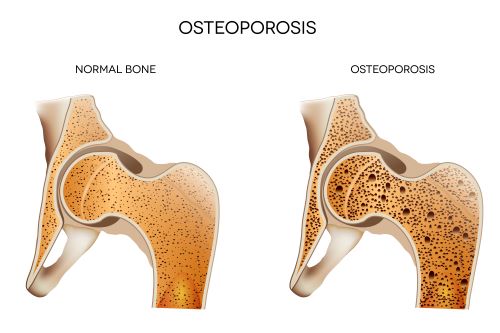
However, signs of bone aging can appear after 30 years, if we do not take care of them. Degradation occurs in a higher percentage than regeneration, which leads to the onset of osteoporosis and other diseases of the bone system.
We need to stay outside longer, at least 10-15 minutes daily, so that the body can produce vitamin D in sunlight. Vitamin D improves the body's ability to absorb calcium and helps maintain bone health. Vitamin D can be obtained from sunlight and food sources. The vitamin D requirement for adults between the ages of 51 and 70 years is 600 international units (IU) and 800 IU per day after the age of 70, which can be provided by food or supplements. Foods rich in natural sources of vitamin D are salmon, mackerel and sardines, as well as egg yolks.
Exercise helps build strong bones and prevents their degradation.
Strength exercises (with weights), resistance exercises and balance exercises are the most effective for bones. Strength training helps strengthen muscles and bones. Resistance exercises such as running, climbing stairs, jumping ropes, skiing - mainly strengthen the bones of the legs, hips and lumbar spine.
Balance exercises reduce the risk of falls, especially in the elderly.
In contrast, cycling and exercise on machines (cross trainer or ergonomic bike) can provide a good cardiovascular training, but do not improve bone health.
Surprisingly, when we ride a bike, to work or for prolonged strolls, the heart and lungs become stronger, the bones instead, not so much. Because it is not a weight-bearing activity, cycling does not increase bone density, unlike walking, hiking and running. We can combine hours of pedaling with strength exercises or dancing, hiking, walking, etc.
The more salt we eat, the more calcium the body loses, which means that excess salt does not help our bones. Foods such as bread, cheese chips and sausages can contain large amounts of salt.
Salt should not be totally removed from the diet, but try to consume about 1 teaspoon of salt per day.
To keep bone density loss under control, we should limit the amount of alcohol we drink to a maximum of one glass a day for women and two for men, because alcohol can interfere with the way the body absorbs calcium.
Too many juices like coca-cola, could also damage the bones. Some studies have linked bone loss to caffeine from these drinks. Other studies have suggested that bone loss occurs when a carbonated drink, instead of milk or other calcium-containing beverages.
Too many cups of coffee a day or tea can also lead to calcium loss from bones.
When we regularly inhale cigarette smoke, our body cannot form new healthy bone tissues as easily. The more I smoked, the worse. But if we give up, we can reduce these risks and improve our bone health over time.
Some medications, especially if they need to be taken for a long period of time, can have a negative impact on the bones. Anti-inflammatory drugs such as prednisone, cortisone and glucocorticoids, can cause bone loss.
A small body weight, below the normal range, means a higher chance of fracture and bone loss. Exercise with weights and calcium supplements in the diet, can help strengthen bones. However, the underweight must be investigated to discover the cause, if it is an eating disorder or another condition.

I always follow professional workflow and provide you the best service with reliable costs.



The anatomy of the hand is complex, its integrity being absolutely essential for daily functioning. The hand consists of ...
Winter sports, skiing or snowboard, can become dangerous if the body is not properly prepared or trained or if ...
While many of us believe that sleep is a time when nothing happens, sleep is, in fact, at least from a neurological ...